
In California real estate transactions, the timing of when you deliver your statutory disclosure package determines whether a buyer holds a legal right to cancel the contract deep into escrow. While the standard California Association of REALTORS® (C.A.R.) purchase agreement defaults to delivering disclosures within 7 days after mutual acceptance, delivering the completed package upfront before the buyer writes an offer is almost always the superior fiduciary strategy. Under California Civil Code § 1102.3, delivering disclosures after an offer creates an independent statutory cancellation window that operates completely outside the buyer's 17-day contractual inspection contingency. For the full sequence from pricing to closing, read our complete Orange County seller’s playbook.
Disclosure Timing Fast-Track: Delivering the Transfer Disclosure Statement (TDS) and Seller Property Questionnaire (SPQ) after contract acceptance grants the buyer a mandatory 3-day (in-person) or 5-day (electronic/mail) statutory right to cancel and recover their full earnest money deposit—even if they already formally removed their inspection contingency. Delivering disclosures prior to offer submission eliminates this escape hatch, prevents mid-escrow repair renegotiations, and locks in price certainty.
Written by Diego Magdaleno, REALTOR® (CA DRE #01952035), Diego & Nauz | 1Vision Real Estate · Reviewed by Nauz Magdaleno, J.D. · Updated November 2026
Fiduciary guide analyzing California Civil Code § 1102.3 cancellation rights, AB 38 defensible space mandates, and pre-listing risk elimination across Central Orange County.
Preparing Your Home for the Orange County Market?
Consult directly with Diego Magdaleno to audit city permit archives, assemble a bulletproof pre-listing disclosure packet, and eliminate buyer cancellation loopholes.

1. What Is the Right Timing for Delivering Seller Disclosures in Orange County?
Sellers should deliver the completed statutory disclosure package prior to offer submission rather than after contract acceptance.
The standard California purchase agreement grants sellers 7 days post-acceptance to furnish disclosures. Following this default timetable creates severe escrow vulnerability. When disclosures are delivered after the purchase contract is executed, the buyer gains statutory cancellation leverage under state law that operates completely independent of their contractual loan, appraisal, or physical inspection contingencies.
Delivering a complete disclosure packet upfront accomplishes two critical fiduciary objectives:
- Closes the Statutory Escape Hatch: If the buyer reviews and acknowledges the disclosure package prior to executing the purchase agreement, no post-acceptance cancellation window is created.
- Defeats Mid-Escrow Renegotiations: When known defects (such as an older roof, a past slab leak repair, or an unpermitted patio enclosure) are disclosed upfront, buyers factor those conditions into their initial offering price. They cannot legitimately demand thousands of dollars in surprise repair credits on Day 15 for issues they were informed about prior to offering.
2. How California Civil Code § 1102.3 Creates a Buyer Cancellation Window
Under California Civil Code Section 1102.3, if the Real Estate Transfer Disclosure Statement (TDS) or any subsequent disclosure amendment is delivered to a prospective buyer after the execution of an offer, the buyer receives an absolute, non-waivable statutory right to terminate the contract:
- 3 Calendar Days following personal delivery in person.
- 5 Calendar Days following delivery by electronic transmission (DocuSign/email) or mail.
The Real-World Escrow Danger: Consider a common scenario during an Orange County escrow timeline. A seller accepts an offer on a single-family residence in Central Orange. On Day 14, the seller finally delivers the completed TDS and SPQ, noting an older sewer line repair or past water intrusion. Even if the buyer signed a formal Contingency Removal (Form CR) removing their physical inspection contingency on Day 12, the delivery of the TDS instantly reopens a fresh 5-day statutory cancellation window.
If interest rates spike or the buyer experiences remorse, they can simply hand the seller a cancellation notice, cite Civil Code § 1102.3, and retrieve 100% of their earnest money deposit without penalty. Delivering upfront eliminates this risk.
3. Which Documents and Disclosures Must Be Ready Before You List?
A comprehensive Orange County pre-listing disclosure package should be compiled 15 to 30 days before marketing launch:
The Core Pre-Listing Disclosure Packet
- Real Estate Transfer Disclosure Statement (TDS): Mandated by Civil Code § 1102, covering all structural components, appliances, and mechanical systems.
- Seller Property Questionnaire (SPQ): A rigorous 50+ question statutory document covering water leaks, soil movement, insurance claims, neighbor disputes, and permits.
- Natural Hazard Disclosure (NHD) Report: Third-party environmental mapping report documenting seismic hazard zones, flood plains, and wildfire severity zones ($99–$125).
- Lead-Based Paint Disclosure (FLD): Federally mandated for all residential structures built prior to 1978.
- Notice of Special Tax (Mello-Roos CFD): Official bond assessment documentation for planned developments (Santiago Hills, Portola Springs, East Orange).
- Three-Year Death Disclosure (Civil Code § 1710.2): California mandates written disclosure of any occupant death occurring on the real property within the trailing three years.
Under SB 410, condominium sellers must include the association’s stamped SB 326 exterior elevated element inspection report inside their statutory Civil Code §4525 disclosure package. Review our playbook on selling an Orange County condo before an SB 326 special assessment to verify your HOA’s compliance status before opening escrow.
Leased fixtures and third-party contracts represent common disclosure hurdles in Southern California escrow. If your property features leased panels, consult our dedicated guide on selling a home with a solar lease in Orange County to document equipment agreements and UCC-1 filings accurately on your SPQ.

4. Does Selling "As-Is" Remove Your Duty to Disclose Unpermitted Work?
No. Selling real estate "as-is" under California law means the seller declines to make repairs or provide financial allowances for physical wear. It does not excuse the seller from statutory disclosure duties.
Under California common law and Civil Code § 1102, sellers are legally obligated to disclose all known material defects that affect the value or desirability of the property, including unpermitted room additions, non-permitted electrical rewiring, and unpermitted garage conversions.
In older Central OC neighborhoods across Santa Ana, Orange, and North Tustin, unpermitted enclosed patios and garage conversions are widespread:
- The Appraisal Risk: Mortgage lenders routinely instruct appraisers to exclude unpermitted square footage from their valuation baselines. If a buyer writes an offer based on 2,100 square feet, but the appraisal comes in at 1,650 permitted square feet, a massive appraisal shortfall occurs.
- California AB 2533 (ADU Amnesty): Under California law, certain unpermitted accessory dwelling units and residential additions built prior to 2020 may qualify for retroactive municipal permitting without punitive building code penalties.
Learn how open building violations impact title commitments in our guide on clearing unpermitted work and title clouds in Orange County.
Before you go live on the MLS, we review solar UCC-1 filings, HOA §4525 and SB 326 status, and fire-zone insurance quotes so surprises surface before escrow, not during it.
5. How California AB 38 and Wildfire Zones Impact Foothill Closings
If a property is situated within a designated High or Very High Fire Hazard Severity Zone (VHFHSZ), California Civil Code Section 1102.19 (Assembly Bill 38) mandates strict defensible space and home-hardening compliance prior to conveying title.
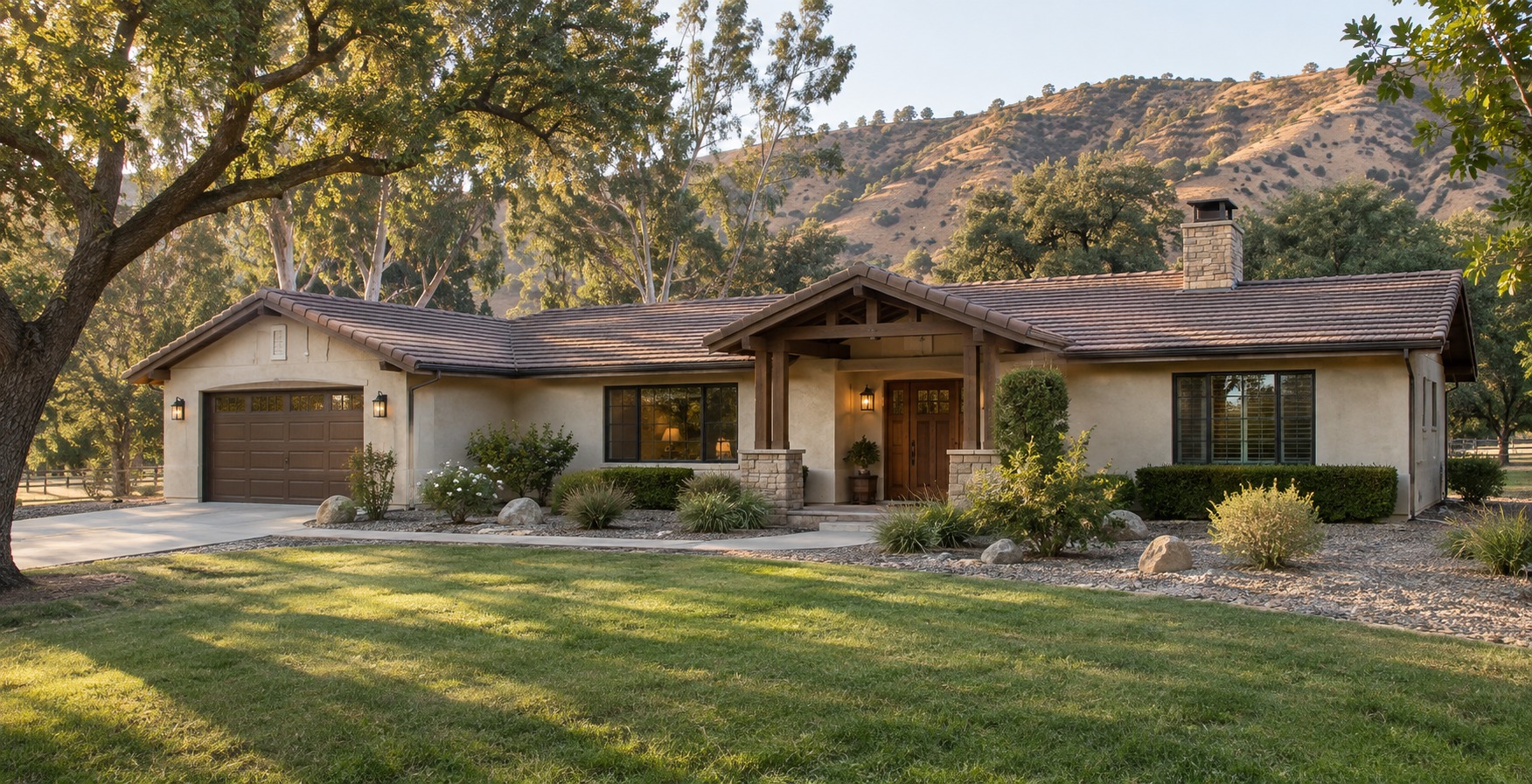
Under AB 38, the seller must deliver written documentation proving the property passed an official defensible space inspection within the prior 6 months. While the contract permits buyer and seller to sign a written agreement transferring compliance responsibility to the buyer within one year of closing, relying on this loophole frequently derails transactions in Orange County:
- In foothill communities like Orange Park Acres, Cowan Heights, Anaheim Hills, and Santiago Hills, admitted private insurance carriers require proof of defensible space compliance before agreeing to bind hazard insurance.
- If coverage is rejected, buyers are forced into the high-risk California FAIR Plan paired with a Difference in Conditions (DIC) policy, which can cost $6,000 to $14,000+ per year. That unexpected premium spike can push the buyer's Debt-to-Income (DTI) ratio over lender limits on Day 18, causing loan denial.
- The Solution: The Orange County Fire Authority (OCFA) provides free point-of-sale defensible space inspections within its service jurisdiction. Completing 100-foot brush clearance and securing your OCFA compliance certificate before listing eliminates insurance delays.
Properties located in High or Very High Fire Hazard Severity Zones require mandatory AB 38 defensible space documentation alongside your Natural Hazard Disclosure report. Review our playbook for selling a home on the California FAIR Plan in Orange County to satisfy fire-hardening disclosures and prevent insurance contingencies from derailing escrow.
6. Hyper-Local Disclosure Landmines: Old Towne, North Tustin, and Santa Ana
Generic disclosure advice overlooks micro-market statutory traps unique to Central Orange County communities:
- Old Towne Orange Historic District: Exterior modifications visible from the public right-of-way must adhere to historic preservation design standards. Replacing original wood-sash windows with unpermitted vinyl windows violates local preservation code. Furthermore, active Mills Act contracts transfer automatically to the buyer, carrying mandatory maintenance obligations. Review our specialized guide on selling historic properties in Old Towne Orange.
- Unincorporated County Records (North Tustin & OPA): Properties in unincorporated North Tustin and Orange Park Acres route building permits through Orange County Development Services, not a local city hall. In addition, parcels on private septic systems require certified health inspections, pumping receipts, and leach field performance evaluations.
- Tenant-Occupied Units in Santa Ana: Single-family residences with rented guest houses or junior ADUs in Santa Ana are subject to the city's Rent Stabilization and Just Cause Eviction Ordinance. Sellers must provide tenant registration proof, rental histories, and executed tenant estoppel certificates prior to buyer contingency removal.
- Trustee & Estate Disclosure Boundaries: While non-occupant trustees of irrevocable living trusts and court-appointed probate executors are statutorily exempt from the TDS under California Civil Code § 1102.2(d), they are not exempt from disclosing known material defects. Study the rules in our trustee and executor administration checklist.
7. Pre-Listing Disclosure Preparation Costs Across Orange County
Investing a few hundred dollars in pre-listing inspection reports prevents thousands of dollars in emergency price reductions during escrow:
| Pre-Listing Due Diligence Item | Typical Cost Range | Fiduciary Protection Benefit |
|---|---|---|
| Natural Hazard Disclosure (NHD) Report | $99 to $125 | Statutory requirement; maps state and local fire, flood, and seismic hazard zones. |
| OCFA Defensible Space Inspection | $0 (Free in OCFA Area) | Satisfies California Civil Code § 1102.19 (AB 38) for foothill properties. |
| Pre-Listing General Home Inspection | $450 to $850 | Surfaces plumbing, roof, and electrical issues so you can repair on your budget. |
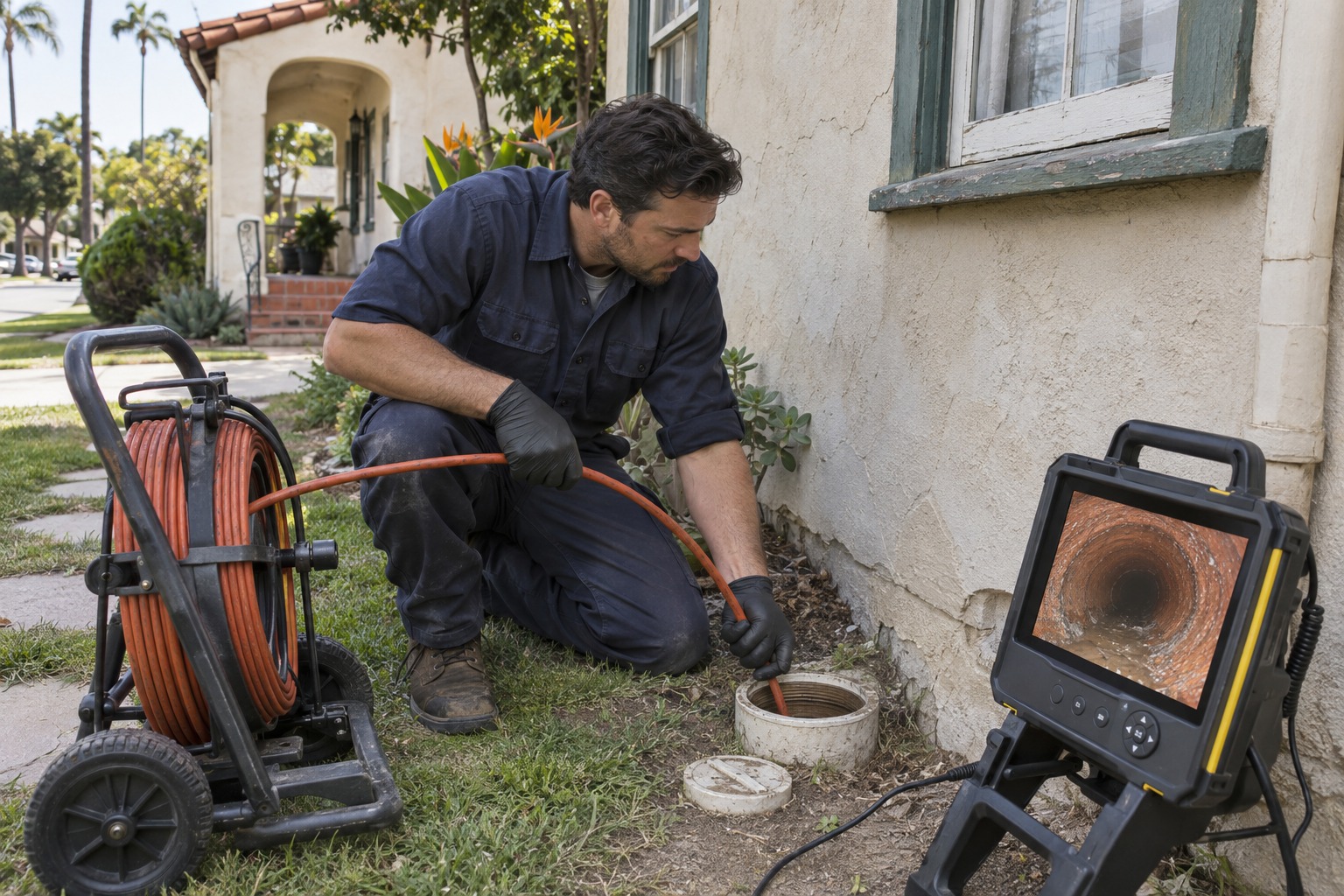
| Sewer Lateral Video Camera Scan | $250 to $450 | Identifies clay pipe root intrusion before buyers demand $10,000 credits. |
| Septic System Pumping & Certification | $600 to $1,100 | Required by title and lenders for unincorporated parcels in North Tustin and OPA. |
| HOA Resale Certification Documents | $350 to $900 | Mandatory for condos and planned developments; takes 7–10 days to process. |
8. When Delivering Disclosures After Acceptance Exposes Your Equity
Waiting until after mutual acceptance to prepare disclosures is particularly hazardous in three specific real estate scenarios:
- When You Are Buying and Selling Simultaneously: If you are purchasing a replacement home contingent on selling your current residence, a buyer cancellation on Day 16 destroys your synchronized closing timeline, putting your replacement home deposit at risk. Follow our guidance in buying and selling a home at the same time in Orange County.
- When the Home Has Historical Maintenance Issues: If your property has experienced past slab leaks, soil settling, or unpermitted work, delivering those details mid-escrow shocks buyers. When delivered upfront alongside contractor repair receipts, buyers accept the home with confidence.
- In a Shifting or Lengthening Market: In a market with an Expected Market Time of 118 days, buyers actively search for exit ramps if they feel they overpaid. A late-delivered disclosure hands them a statutory get-out-of-jail-free card. Read our market analysis in why Orange County homes aren't selling.
9. Frequently Asked Questions
Can a buyer cancel after removing all contractual contingencies in California?
Yes. If the seller delivers the statutory Transfer Disclosure Statement (TDS) or an amendment after mutual contract acceptance, California Civil Code § 1102.3 grants the buyer a mandatory 3-day (in-person) or 5-day (electronic/mail) cancellation right that overrides any prior contingency removals.
Do sellers have to disclose an occupant death on the property in California?
Under California Civil Code § 1710.2, sellers must disclose in writing any death that occurred on the real property within the three years prior to the buyer's offer. Deaths occurring more than three years prior do not need to be voluntarily disclosed unless the buyer explicitly asks.
Is an OCFA defensible space inspection free in Orange County?
Yes. The Orange County Fire Authority (OCFA) conducts residential point-of-sale defensible space inspections at no charge for parcels situated within High and Very High Fire Hazard Severity Zones inside its jurisdiction to satisfy California Civil Code § 1102.19 (AB 38).
Does selling "as-is" protect the seller from failure-to-disclose lawsuits?
No. In California, an "as-is" clause only indicates that the seller will not perform repairs or offer credits. It does not waive the seller's common law or statutory obligation to disclose all known material defects, past insurance claims, and unpermitted construction.
Are living trust sellers exempt from all real estate disclosures in California?
No. While non-occupant trustees of living trusts are statutorily exempt from completing the standard Real Estate Transfer Disclosure Statement (TDS) under Civil Code § 1102.2(d), they are not exempt from delivering the Natural Hazard Disclosure (NHD) or disclosing known material physical defects affecting the property.
Plan Your Orange County Sale With Trusted Local Specialists
Diego Magdaleno has guided over 460 home sellers through residential transactions across Central Orange County since 2012. Supported by Nauz Magdaleno, JD, the 1Vision team provides strategic pre-listing due diligence, permit reviews, and contract structuring in Orange, Villa Park, North Tustin, and Santa Ana.
Diego Magdaleno · CA DRE# 01952035 | 1Vision Real Estate · CA DRE# 02051216
Headquarters: 625 The City Drive S, Suite 400, Orange, CA 92868
Book a Pre-Listing Disclosure Review with Diego
Select a date and time to review your property's permit history, verify fire zone status, and structure your disclosure timeline.