
When a family calls me about selling a parent's home, they rarely start with "what's my house worth." They start with "where do we even begin." After walking dozens of Orange County families through this exact transition, I've found the process goes smoother when it's broken into five sequential steps instead of one overwhelming decision. Here's the full plan, in the order I actually use it with clients from Old Towne Orange to the Eichler tracts near Fairhaven.

How Long Does It Actually Take to Sell a Parent's Home in Orange County?
Most families move from their first serious conversation to a listing-ready home in nine to twenty-one weeks, depending on how quickly legal paperwork clears and how much sorting the house needs. Once a correctly priced single-family home in the $1M–$2M range actually hits the market in Central Orange County, it's typically in escrow within about five to six weeks.
The timeline stretches when legal authority isn't settled up front, so that's always where I start families — not with paint colors or a listing date.
Step One: Confirm Who Has Legal Authority to Sell
Before anything else, someone needs a clear legal path to sign: either your parent, if they're able to, or an adult child acting under a Durable Power of Attorney or successor trustee authority. Title companies in California hold this line firmly, and a listing agreement signed without proper authority can freeze escrow later. For a comprehensive legal checklist before listing, review our successor trustee and executor checklist.
If your family is reviewing an existing trust or POA document, this is worth doing early rather than after you've already started sorting closets — Power of Attorney rules for adult children selling a parent's home walks through exactly what title companies want to see. When these questions get technical, my team includes Nauz Magdaleno, whose background includes a law degree, though for document review itself you'll still want your own estate attorney involved.
Step Two: Decide How Much Presale Work Actually Makes Sense
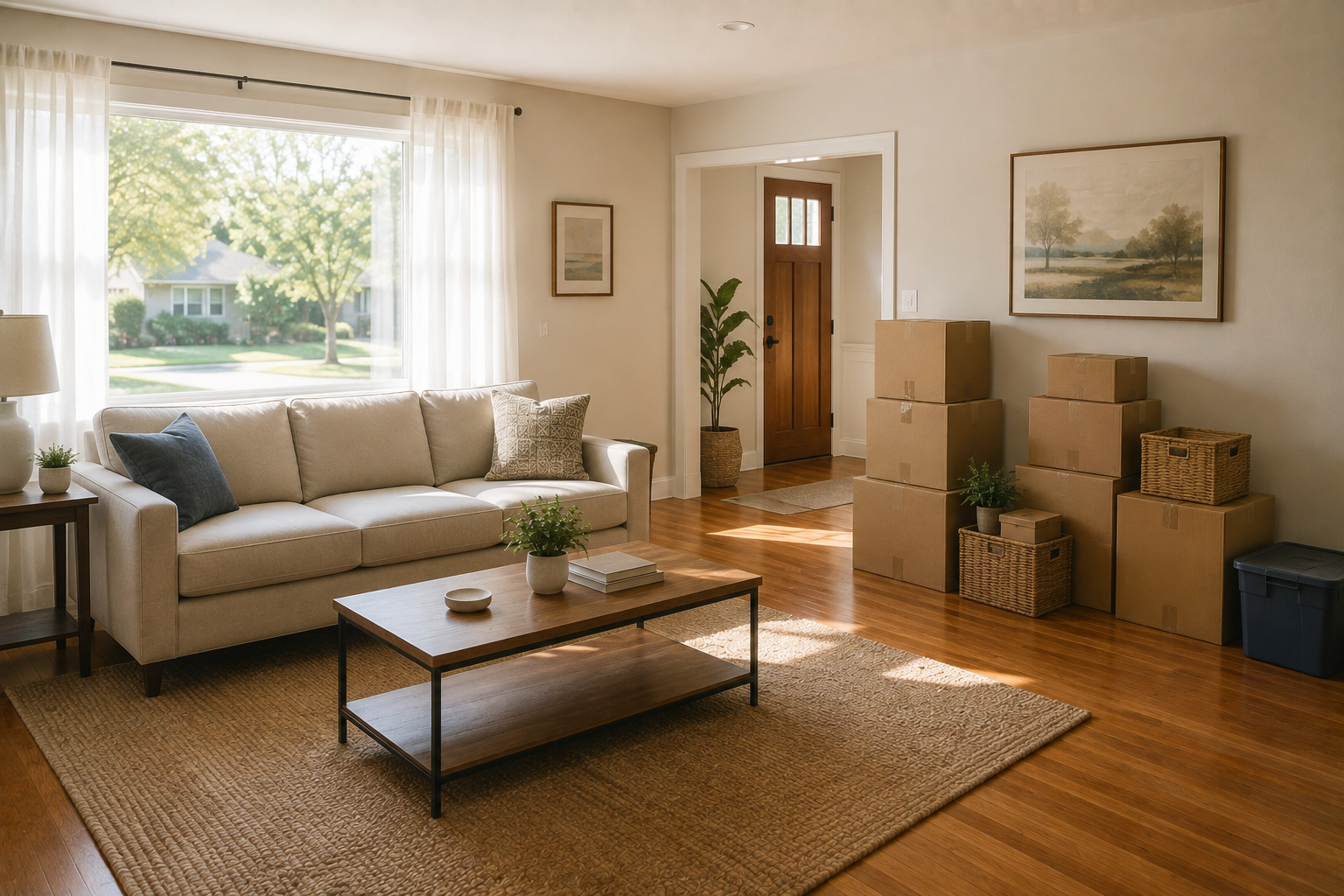
For most parent-occupied homes, the right amount of presale work is less than families assume: a deep clean, selective off-site storage of oversized furniture, and basic curb-appeal maintenance, not a full renovation. Comprehensive interior work while a parent still lives in the home tends to create more stress than it returns in value.
If your family is weighing a full renovation against an as-is sale to an investor, I've laid out that entire financial comparison separately — see the full renovate-vs-as-is decision for a parent's home for the numbers. To see how strategic audience positioning and targeted marketing can sell a home in 2 days for $26K over asking without a costly renovation, review our Laguna Niguel Case Study.
Step Three: Protect Your Parents During Showings
Buyers tour better, and parents fare better, when showings happen in predictable windows rather than open-ended access. I typically set fixed blocks — Tuesday and Thursday mornings, for example — and arrange somewhere for a parent to be during that time rather than having them present for every walkthrough.
The Orange Senior Center on S. Olive Street runs day programming that works well for this, and if your parent's care situation is more involved, how assisted living or aging-in-place decisions affect your sale timeline covers the tradeoffs in more depth than I can here.
Step Four: Handle Belongings Without Losing Weeks to Family Friction
A lifetime of belongings is usually the single biggest timeline risk in this process — family-led sorting of a long-owned home commonly stalls for months over sentimental items. Starting in low-emotion spaces like the garage or a guest closet, before moving into bedrooms, keeps momentum without forcing hard calls too early.
If siblings are involved, and they usually are, managing sibling disagreements when selling a parent's house and sorting a lifetime of belongings — estate sales, donations, and keepsakes go into the specific systems (tagging, budget caps, neutral third parties) that keep this step from becoming the reason the sale doesn't happen.
Step Five: Understand the Tax Picture Before You List
Two tax questions come up in almost every one of these conversations: whether your parent can carry their current property tax base to a new home under Proposition 19, and how selling during their lifetime versus after affects capital gains exposure. Both can meaningfully change the math on timing, and neither should be worked out from a blog post — this is general information, not tax or legal advice, and I always point families to their CPA or an elder law attorney before they make a decision based on it.
For the Prop 19 mechanics specifically, our Orange County Prop 19 senior transfer guide breaks down tax transfers for homeowners 55+, and for the capital gains side, our Step-Up in Basis Guide covers what changes depending on when the sale happens. You can also review the source rules directly at the California State Board of Equalization's Prop 19 Fact Sheet.
Local Factors That Can Change the Plan
Two Orange neighborhoods add their own rules on top of everything above. In the Old Towne Orange Historic District, presale work has to stay within maintenance and preservation standards — no unpermitted exterior changes — or you risk a Design Review Committee issue surfacing during buyer due diligence. In the Eichler tracts around Fairhaven, Fairmeadow, and Fairhills, original radiant slab heating is worth a pre-listing check, since a leak discovered mid-escrow can stall a sale fast.
If your parent's home sits in either area, it's worth confirming permit history against the City of Orange Historic Resources Inventory before you list, not after an inspection flags it.
Frequently Asked Questions
How long does it typically take to sell a parent's home in Orange County?
Most families complete the process in nine to twenty-one weeks from first conversation to close, and correctly priced homes in Central Orange County average roughly five to six weeks once actively listed.
Do we need Power of Attorney to sell my parent's house?
You need either your parent's own signature, if they're legally able to sign, or documented Power of Attorney or trust authority — title companies will require proof before they'll insure the transfer.
Should we renovate before selling, or sell the house as-is?
For most families, light presale work like deep cleaning and curb-appeal maintenance makes more sense than a full renovation while a parent is still living there; the full financial comparison depends on your specific numbers, which is covered separately.

Real Results
I recently walked a family through this exact sequence with their parents' character home at 168 N Center St in Old Towne Orange — legal authority confirmed first, light presale prep only, showings scheduled around the parents' routine. The home closed at $1.315M with the family reporting far less stress than they'd braced for going in.
If your family is at the start of this decision, I'd rather walk you through it directly than have you piece it together from articles.
Request Your Parent Home Sale Strategy Session
Preparing to sell a parent's home in Orange County? Let's verify legal authority requirements, analyze your presale options, and create a seamless, stress-free action plan.
Book a Call with Diego
Direct 1-on-1 with Diego Magdaleno • 100% Confidential • Zero Obligation
Book a Call with Diego
Choose a date and time for your 30-minute home sale consultation.