
When selling an Orange County home with a solar lease or Power Purchase Agreement (PPA), sellers have three options: have the buyer formally assume the lease, pay off and buy out the solar contract from closing proceeds, or prepay the remaining lease payments in full. Because solar providers typically need 14 to 28 days to process credit approvals and transfers (up to 45 to 60 days when backlogged) and must release any UCC-1 title lien, initiating the transfer process before listing on the MLS is essential to prevent closing delays.
In Orange County residential real estate, a leased rooftop solar system or Power Purchase Agreement (PPA) is rarely a reason for transaction failure, but it demands a proactive financial plan before your first public open house. Because leased panels are classified as personal property rather than real estate fixtures, Fannie Mae and Freddie Mac lending guidelines assign them zero contributory value on bank appraisals. Furthermore, the required monthly lease payment directly inflates the buyer's debt-to-income (DTI) ratio. In communities like Orange, Villa Park, North Tustin, and Anaheim Hills, sellers face three distinct paths: executing a full system buyout, prepaying the remaining lease stream, or facilitating a formal lease transfer. Choosing the right path depends on your price tier, your home equity, and your buyer's financing limits.
Solar Lease Fast-Track: For properties priced over $1,500,000, paying off the solar lease at closing is the cleanest path because affluent buyers rarely accept assuming long-term monthly equipment obligations. In mid-tier neighborhoods ($900k–$1.3M), a lease transfer or full prepayment can preserve your net proceeds, provided you start lessor credit checks in Week 1. Solar lessors record a UCC-1 financing statement against the equipment; closing escrow requires either a UCC-3 termination statement (for buyouts) or a formal lender subordination agreement (for transfers).
Written by Diego Magdaleno, REALTOR® (CA DRE #01952035), Diego & Nauz | 1Vision Real Estate · Reviewed by Nauz Magdaleno, J.D. · Updated November 2026
Fiduciary guide examining UCC-1 title filings, C.A.R. Form SOLAR disclosures, SCE NEM 2.0 transfer mechanics, and mortgage underwriting standards across Central Orange County.
Need to Audit Your Solar Contract Before Listing?
Consult directly with Diego Magdaleno to review your solar agreement, audit title UCC-1 statements, compare buyout costs against net proceeds, and prepare C.A.R. Form SOLAR disclosures.
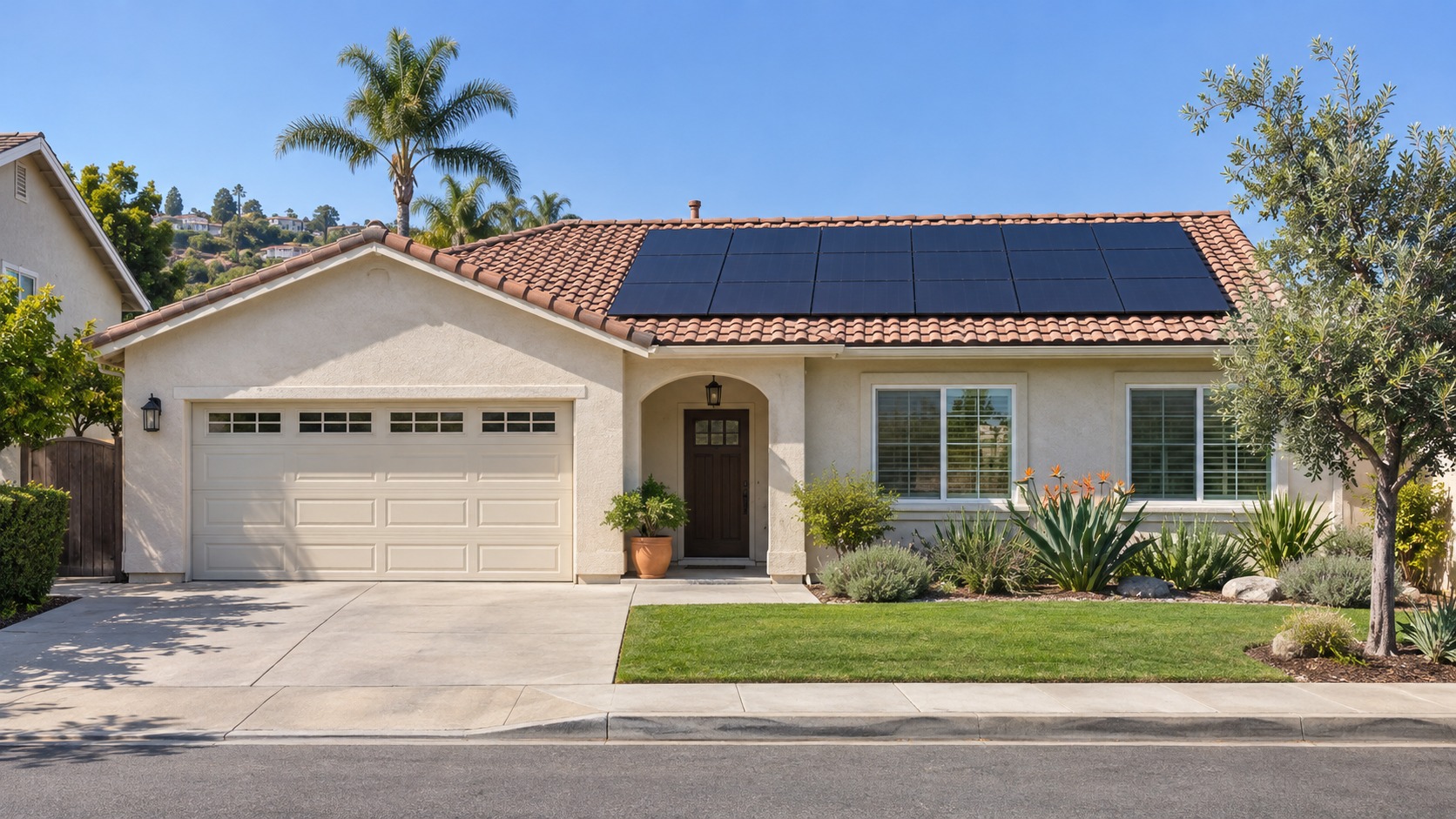
1. Should You Buy Out Your Solar Lease Before Selling in Orange County?
In most cases, yes, executing a buyout is the superior move if your home is listed above $1,500,000 or if your property is likely to attract buyers using conventional financing near their debt-to-income ceiling. A buyout converts the panels into an unencumbered fixture of real property, entirely removes the lease contract from the transaction, and allows buyers to purchase the home without qualifying for an additional monthly payment.
In entry-level and mid-tier communities ($800,000 to $1,300,000), buyers are more accustomed to assuming utility contracts. In those price brackets, a lease transfer or full prepayment can work effectively.
Before committing to a path, request two written figures from your solar provider:
- The Full System Buyout Quote: The exact dollar figure required to purchase the equipment outright and terminate the lease.
- The Prepayment Balance: The discounted lump sum required to prepay all remaining monthly payments through the end of the contract term while leaving maintenance coverage in place.
Weighing these figures against your net proceeds makes the right path clear. Review our comprehensive guide to calculating your walkaway cash in Orange County seller net proceeds & closing costs.
2. How Leased Solar Systems Impact Buyer Mortgage Approvals and Appraisals
Under Fannie Mae Selling Guide Section B2-3-04 and Freddie Mac guidelines, leased solar systems and Power Purchase Agreements are treated as personal property owned by a third party, not as real property fixtures.
This classification introduces two major lending hurdles:
- Zero Appraised Contributory Value: Appraisers cannot assign contributory monetary value to a leased solar system on the appraisal report. Whether the system saves $100 or $400 a month on utility bills, the appraiser assigns it $0 toward the home's market valuation. Only fully owned systems add appraised property value.
- Debt-to-Income (DTI) Inflation: Mortgage underwriters must count the monthly solar lease or PPA payment into the buyer's recurring debt obligations unless the lease agreement contains specific production guarantees that fully offset the liability under strict lender exceptions.
• Typical Monthly Solar Lease / PPA Payment: $220 / month
• Standard Prevailing Mortgage Interest Rate: 6.50%
• Purchasing Power Reduction: ~$34,800 in lost loan capacity
• Result: A buyer pre-approved at a 44.5% DTI ceiling is pushed past the maximum 45% limit when the underwriter discovers the solar lease on Day 18 of escrow, triggering loan denial.
3. Buyout vs. Prepayment vs. Lease Transfer: The Strategic Differences
Understanding how the three resolution mechanisms compare ensures you choose the strategy that matches your buyer pool:
| Resolution Strategy | Typical Cost Range | Hardware Ownership | Impact on Buyer Loan DTI | Fiduciary Recommendation |
|---|---|---|---|---|
| Full System Buyout | $8,000 to $35,000+ | Transfers 100% to Buyer | $0 (No payment exists) | Best for homes over $1.5M; widens buyer pool to 100%. |
| Lease Prepayment | $6,000 to $22,000 | Remains with Solar Co. | $0 (Paid in advance) | Eliminates buyer monthly payment while retaining company warranty. |
| Formal Lease Transfer | $150 to $300 transfer fee | Remains with Solar Co. | Full payment added to DTI | Lowest seller cost, but requires buyer credit approval and lender compliance. |

4. What Solar Leases Cost at Closing — and Why Price Cuts Fail
When negotiating with buyers, some sellers attempt to offer a $10,000 to $15,000 price reduction in exchange for the buyer agreeing to assume the solar lease.
Why This Strategy Fails: A price cut lowers the purchase price, but it does not eliminate the monthly lease payment from the buyer's DTI calculation. If the buyer's debt ratios are tight, shaving $15,000 off a $1,200,000 mortgage only reduces their monthly principal and interest payment by roughly $95—far less than the $220/month solar payment the underwriter just added to their file. The buyer still fails loan underwriting.
Standard closing costs associated with solar resolution include:
- Lessor Administrative Transfer Fee: $150 to $300 to process the assignment paperwork.
- Title and County Recording Fees: $150 to $450 to record the UCC-3 termination or lender subordination agreement with the Orange County Clerk-Recorder.
- Independent Solar System Inspection: Investing $350 to $600 for a comprehensive inspection by an independent C-46 solar contractor gives buyers certified verification of inverter health, panel degradation, and roof mounting seals, preventing aggressive repair credit requests.
5. Why a Solar Lease Triggers a UCC-1 Fixture Filing on Your Title Report
When a solar lease or PPA is installed, the solar finance company records a UCC-1 Financing Statement in the official county land records.
While a UCC-1 is not a formal mortgage lien against your real estate, it acts as a public legal notice establishing that the solar equipment is personal property pledged as collateral. When an escrow officer orders your preliminary title report, the title insurer flags the UCC-1 filing.
To close escrow, title underwriters mandate one of two resolutions:
- For System Buyouts: The solar company must execute and record a UCC-3 Termination Statement, legally releasing all claims to the equipment and clearing the title cloud.
- For Lease Transfers: The solar company must execute a Subordination Agreement, formally agreeing that their interest in the equipment sits subordinate to the buyer’s new first trust deed mortgage.
Because solar finance companies often take two to four weeks to deliver original notarized subordination or termination documents to escrow, identifying this filing on your preliminary title report during pre-listing is critical. Explore how related title encumbrances operate in our guide on clearing unpermitted work and title clouds in Orange County.
Need a Professional Solar Net Sheet Audit?
Our team coordinates directly with solar lessors and title underwriters—auditing UCC-1 statements, obtaining written payoff quotes, and protecting your closing timeline across Central Orange County.
Before you go live on the MLS, we review solar UCC-1 filings, HOA §4525 and SB 326 status, and fire-zone insurance quotes so surprises surface before escrow, not during it.
6. How Long Does a Solar Lease Transfer Take — and What Delays Escrow?
A standard solar lease transfer requires 14 to 28 calendar days once the solar company receives the fully executed purchase agreement and the buyer's credit application. However, if the lessor is administratively backlogged, the transfer process can stretch to 45 to 60 days. For how this fits the full closing calendar, see our Orange County escrow timeline.
The most common escrow delays include:
- Buyer Credit Score Rejection: Solar providers typically require an automated minimum FICO credit score of 650 to 680. If the buyer fails to qualify, the seller must either step in with a full buyout or the transaction collapses.
- Delayed Application Submission: Waiting until Day 17 (after physical inspections) to initiate the solar transfer package leaves insufficient time for corporate approval before loan doc signing.
- Slow Subordination Processing: Lenders will not issue final loan documents until the solar company's legal department returns the signed subordination agreement to escrow.
Review our complete master schedule in the Orange County escrow timeline guide.
7. What Happens If Your Solar Provider Went Bankrupt (SunPower / Sunnova)?
Recent high-profile Chapter 11 bankruptcy filings in the residential solar sector (including SunPower and corporate restructurings at Sunnova) have created widespread confusion for Orange County homeowners.
The Core Legal Reality: Corporate bankruptcy does not cancel your lease or erase your financial obligations. The equipment and contract assets are sold to specialized third-party servicers:
- SunPower residential lease accounts are now predominantly serviced by SunStrong Management or specialized portfolio loan servicers.
- Sending transfer or buyout paperwork to defunct corporate addresses or disconnected customer service portals results in weeks of lost time.
- Action Step: Locate your most recent monthly billing statement to identify the current legal loan servicer. Request their official transfer packet, written payoff quote, and current processing turnaround time before listing your property.
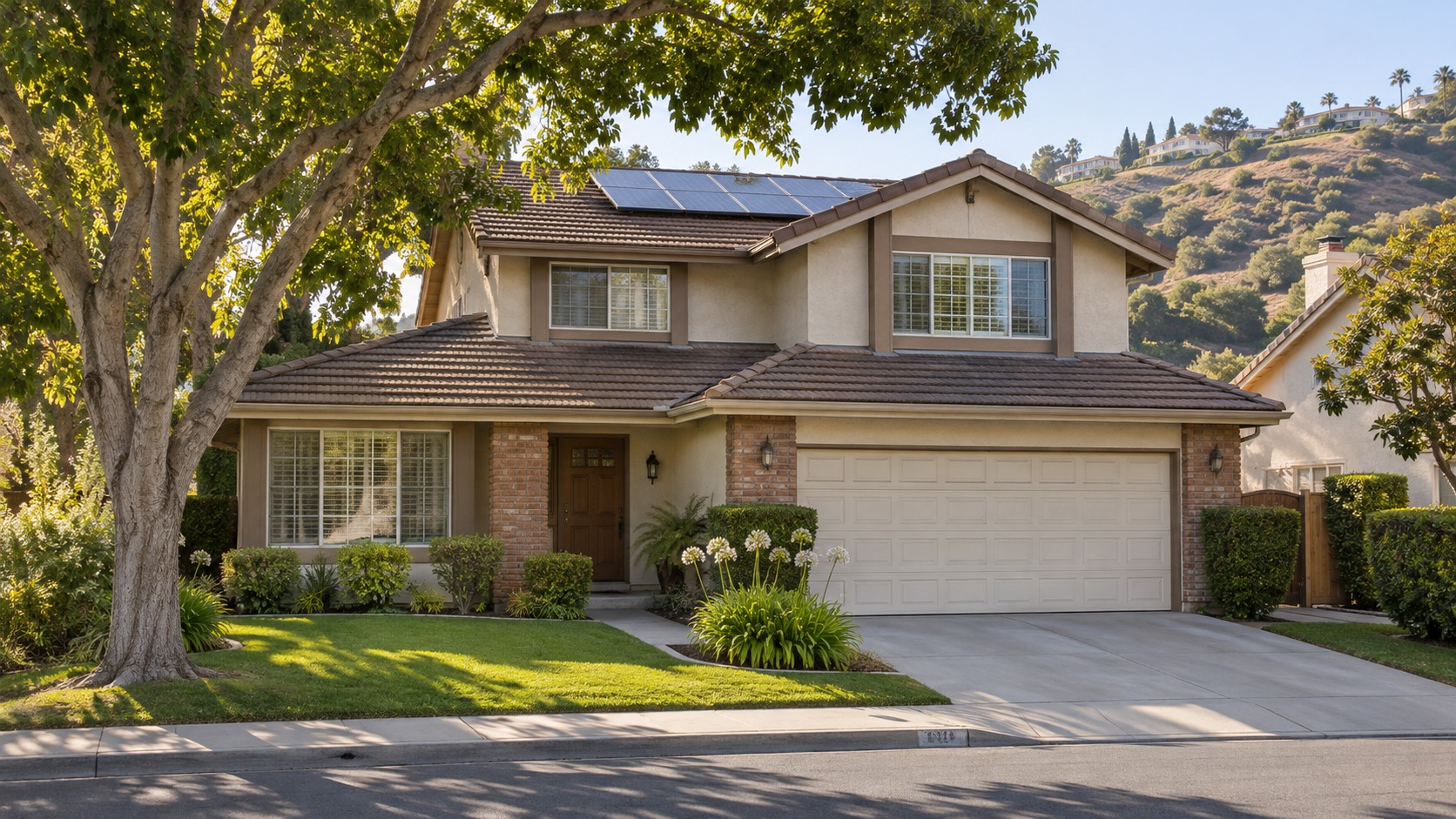
8. Does Your Grandfathered SCE NEM 2.0 Status Transfer to the Buyer?
Yes. If your solar system was approved under Southern California Edison’s (SCE) Net Energy Metering (NEM) 2.0 tariff, that highly favorable rate structure transfers directly to the new homeowner upon change of utility account.
Under California Public Utilities Commission (CPUC) regulations:
- NEM 2.0 grandfathering remains active for 20 years from the original Permission to Operate (PTO) date issued by SCE. A home sale does not trigger reassessment into the less favorable NEM 3.0 (Solar Billing Plan).
- The Modification Danger: If a buyer modifies or expands the solar array by more than 10% or 1.0 kW, SCE will immediately revoke the grandfathered NEM 2.0 status and force the account onto NEM 3.0. Adding battery storage generally does not trigger re-tariffing, provided the solar generating array is not enlarged.
- Marketing Advantage: Highlight your NEM 2.0 status in the MLS private broker remarks. For high-energy users, grandfathered net metering represents hundreds of dollars in verified monthly electrical savings.
9. How Central Orange County Buyers React by Price Tier and Neighborhood
Buyer reception to leased solar panels closely tracks home price and neighborhood demographics:
- Luxury & Custom Acreage ($1,800,000 to $3,500,000+): In Villa Park, Cowan Heights, and North Tustin, affluent buyers expect homes to be unencumbered. A leased solar system creates immediate friction, and buyers will routinely condition their purchase offer on the seller executing a complete buyout at closing.
- Mid-Tier Single-Family Tracts ($900,000 to $1,400,000): In Santiago Hills, Orange Hills, and El Modena, buyers are more receptive to lease transfers, but tight lender DTI caps create risk. Ensuring the buyer's mortgage lender pre-underwrites the solar payment upfront is essential.
- Equestrian Acreage (Orange Park Acres): Large parcels often carry split electrical meters (barn vs. main residence). Clarifying whether the solar array powers secondary outbuildings prevents disclosure disputes.
If your home has been sitting on the market without offers, explore the underlying factors in our diagnostic on why Orange County homes aren't selling (the 118-day reality).
10. Solar Restrictions in Historic Districts: Old Towne Orange and Floral Park
If your home sits inside the Old Towne Orange Historic District or Santa Ana's Floral Park, rooftop solar installations are governed by municipal preservation standards.
Under City of Orange Historic Preservation Design Standards:
- Solar panels must not be visible from the public street or right-of-way. Permitted installations are restricted to rear roof pitches, detached rear garages, or flat roofs concealed by architectural parapets.
- Street-visible panels installed without formal Design Review Committee (DRC) sign-off violate local preservation code, which can cloud title and trigger municipal code enforcement citations during buyer due diligence.
- For homes holding active Mills Act property tax contracts, unauthorized exterior alterations can jeopardize property tax reductions. Review our guide to historic homes in Old Towne Orange.

11. Pre-Listing Checklist: Documents Needed Before Putting Solar on the MLS
Assemble this comprehensive solar due diligence packet prior to taking listing photography:
- Complete Executed Solar Contract: Gather the original Lease Agreement or Power Purchase Agreement (PPA), including all renewal options, escalator clauses, and equipment warranty terms.
- Written Servicer Payoff / Buyout Quote: Request an official, time-stamped buyout and prepayment statement from the current servicer.
- SCE Permission to Operate (PTO) Documentation: Locate the original letter from Southern California Edison proving grandfathered NEM 2.0 status.
- Signed Final City Building Permit: Verify that the solar array passed final electrical and building inspections with your local city building department.
- C.A.R. Form SOLAR (Solar Advisory and Questionnaire): Complete this statutory disclosure detailing system status (Owned vs. Leased vs. PPA) and attach it to your pre-listing disclosure packet. Learn more in our overview of when to deliver seller disclosures in Orange County. The full set of required forms is covered in our guide to California seller disclosure requirements.
If you are timing your sale alongside a replacement purchase, explore our roadmap in buying and selling a home at the same time in Orange County. If managing an estate property, study the Orange County probate real estate guide.
12. Frequently Asked Questions
Does a leased solar system add appraised value to an Orange County home?
No. Under Fannie Mae and Freddie Mac lending guidelines, leased solar systems and Power Purchase Agreements (PPAs) are classified as third-party personal property, meaning appraisers assign them zero contributory value on mortgage appraisal reports.
What credit score does a buyer need to assume a solar lease?
Most residential solar finance companies require an incoming buyer to have a minimum FICO credit score of 650 to 680 to approve a lease assumption. If the buyer’s credit is declined, the seller must buy out the system or the transaction can fail.
What is a UCC-1 filing on a solar lease?
A UCC-1 Financing Statement is a public legal notice recorded by the solar lessor in county land records declaring their security interest in the equipment. To close escrow, the lessor must provide a UCC-3 termination statement (for buyouts) or a subordination agreement (for transfers) so the buyer's mortgage takes first position.
Does grandfathered SCE NEM 2.0 status transfer when selling a home?
Yes. Southern California Edison’s NEM 2.0 agreement remains linked to the property’s electrical meter for 20 years from the original Permission to Operate (PTO) date and transfers to the buyer upon transfer of the utility account, provided the solar array is not expanded by more than 10% or 1 kW.
How does a solar lease payment impact buyer loan pre-approval?
Unless the solar agreement meets strict lender production offset exceptions, underwriters count the monthly solar lease payment into the buyer's Debt-to-Income (DTI) ratio. A typical $220/month payment reduces a buyer’s mortgage borrowing capacity by approximately $35,000.
Plan Your Orange County Sale With Trusted Local Specialists
Diego Magdaleno has successfully closed over 460 residential transactions across Central Orange County since 2012. Supported by Nauz Magdaleno, JD, the 1Vision team provides strategic contract structuring, solar lease resolution, and fiduciary representation across Orange, Villa Park, North Tustin, and Santa Ana.
Diego Magdaleno · CA DRE# 01952035 | 1Vision Real Estate · CA DRE# 02051216
Headquarters: 625 The City Drive S, Suite 400, Orange, CA 92868
Book a Solar Strategy Call with Diego
Select a convenient date and time to review your solar agreement, audit title UCC-1 filings, and calculate net equity walkaway options.