
When my clients inherit a home in Old Towne Orange, the first question is rarely "what's it worth." It's "what am I allowed to do with it." A house near Plaza Park or along North Glassell Street doesn't play by the same rules as a typical Orange County listing, and if you're stepping into this as a trustee, executor, or heir, the historic overlay matters just as much as the title work. I walk families through this combination constantly - for the legal and tax side of inheriting a property in general, my navigating an inherited property sale guide is a good starting point before you get into the historic-specific pieces below.
What Makes an Old Towne Historic Home Different to Sell
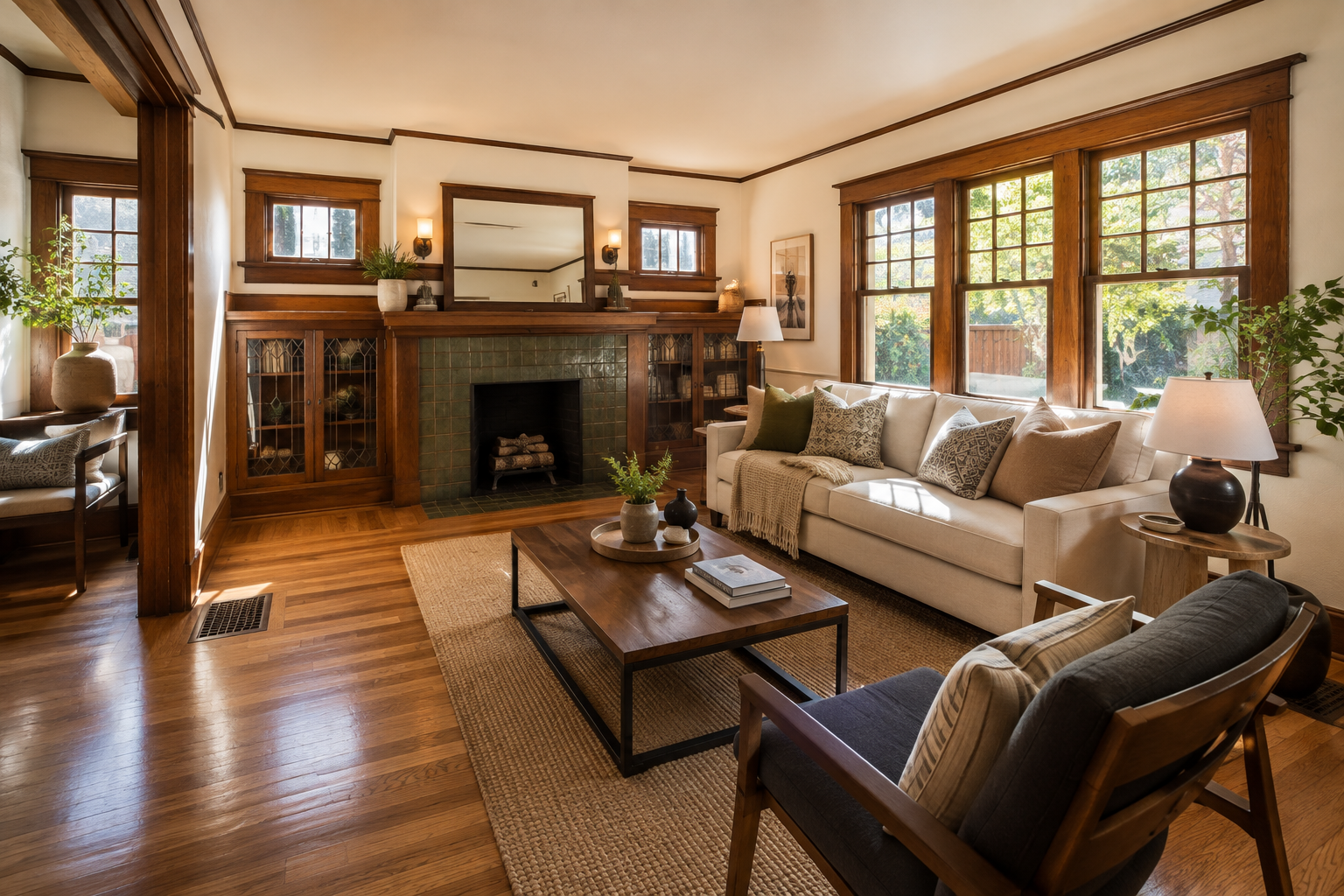
A historic designation doesn't stop you from selling - it changes the order of operations. Anything visible from the street, from window material to fence height, is governed by the Historic Preservation Design Standards, and buyers in this market will ask about compliance before they ask about the kitchen.
Do You Have Legal Authority to Sell?
Before any historic repair or listing conversation matters, you need clear legal standing - probate authority, trustee power, or a valid power of attorney. Full authority under the Independent Administration of Estates Act lets a personal representative list and close without a court hearing; limited authority requires a confirmation hearing that can add months.
If the estate is going through probate rather than a trust, filings and hearings run through the Orange County Superior Court Probate Division at the Costa Mesa Justice Complex, and it's worth checking the current probate and court reporter fee schedule early so there are no surprises. If you're the trustee or executor and this is new territory, my trustee and executor checklist breaks down the sequence step by step. Managing this from outside California adds its own wrinkles, which I cover in my out-of-state executor guide.
The Historic Review You Can't Skip
Most exterior maintenance - re-roofing, wood siding repair, window re-puttying - clears through staff-level Minor Design Review in one to four weeks. Structural changes or anything visible from the public right-of-way, like additions or fence replacement, go to a public Design Review Committee hearing instead, which typically adds two to four months to your pre-listing timeline.
Knowing which bucket your repair falls into before you start work saves real money. The City of Orange's historic preservation standards lay out exactly what qualifies for each track. If your family is also clearing decades of belongings from the house at the same time, a NASMM-certified senior move manager can run that in parallel without slowing down the repair timeline.
Unpermitted Work Is the Most Common Deal-Killer
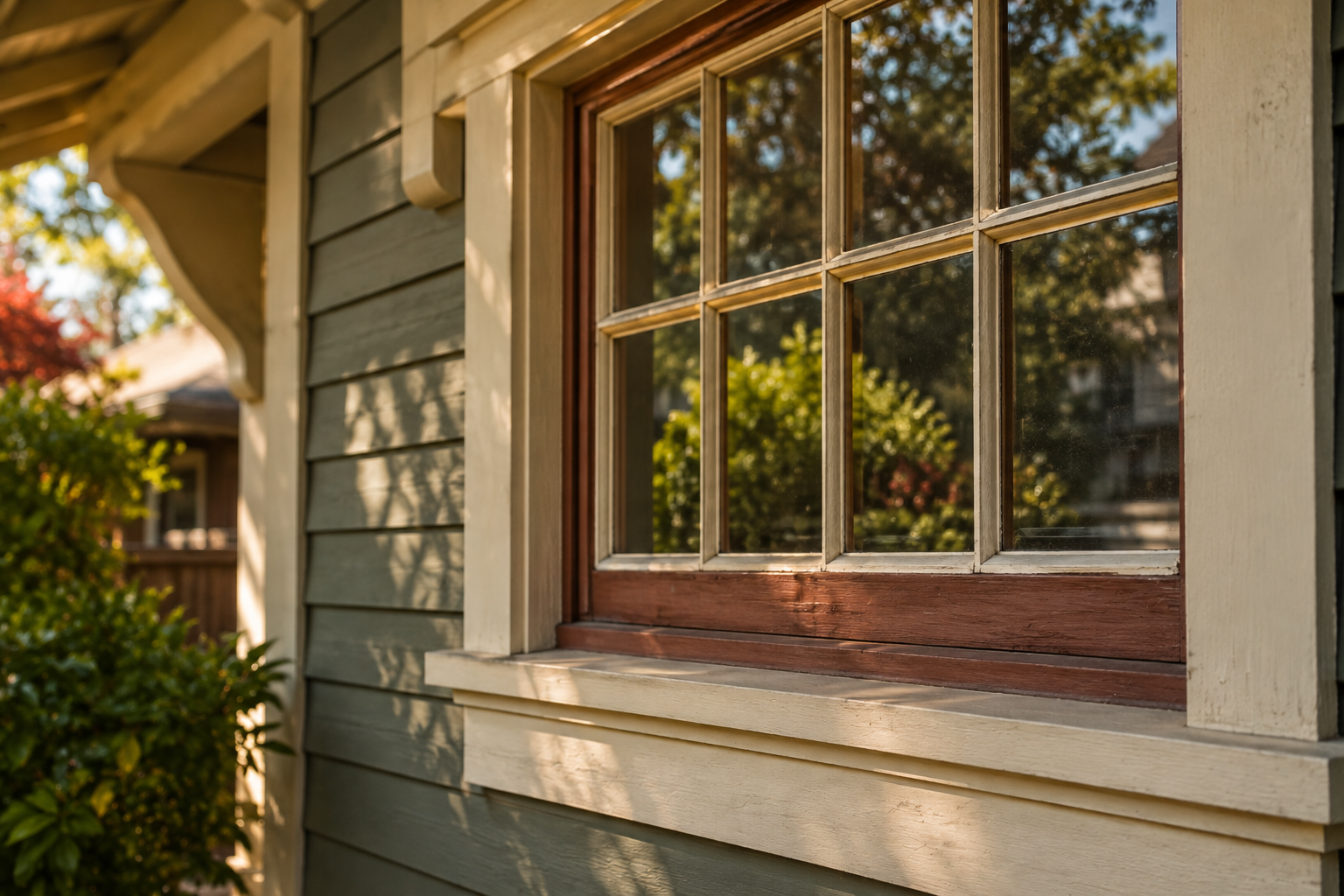
The single biggest surprise I see is a well-meaning past replacement - vinyl windows put in without a permit, usually decades ago, with no one still around who remembers it happening. A buyer's inspector will catch it, and it becomes a repair credit negotiation or a canceled escrow right when you thought you were close.
If a title report or inspection turns up unpermitted alterations, don't list until you've assessed the exposure. I go deeper on resolving these issues, including unpermitted work outside the historic overlay, in my unpermitted work and title clouds guide.
What Happens to an Existing Mills Act Contract
If the home already has a recorded Mills Act agreement, it transfers automatically to the buyer along with the reduced property tax assessment - and that's a genuine selling point. What it doesn't come with anymore is the option to apply fresh: the Orange City Council suspended new Mills Act applications while the program is under review.
I confirm the actual application status before any listing goes to market, since marketing a property as "Mills Act eligible" when new applications aren't being accepted creates real liability. You can see the council action yourself in the City of Orange council record.
Should You Restore Before Listing, or Sell As-Is?
This is a family-by-family call, and it's worth separating the emotional side of that decision from the financial one. On the numbers, over-restoring a historic home with non-conforming materials can actually work against you - Old Towne buyers frequently prefer original architectural fabric to an unsympathetic remodel.
For the deeper capital-preservation math on this - speed, multi-heir cash needs, what restoration actually returns - my as-is vs. pre-listing rehabilitation audit walks through it in detail. And if the harder part of this decision is the family conversation rather than the spreadsheet, I've written about that side too in should you renovate before selling a parent's home.
Proposition 19 and Your Tax Basis
If an heir wants to keep the home rather than sell, Proposition 19 lets a child preserve the parent's low property tax baseline - but only if they move in as their primary residence within one year and file for the Homeowners' Exemption. The exclusion is capped at the factored base year value plus $1,044,586 for transfers between February 16, 2025, and February 15, 2027, per the California State Board of Equalization; value above that threshold triggers a partial reassessment.
This is general information, not tax or legal advice - Prop 19 eligibility, filing deadlines (form BOE-19-B), and the exact reassessment math depend on your specific situation and should be confirmed with the Orange County Assessor's Office or your CPA before you decide. I walk through the full mechanics, including common filing mistakes, in California Prop 19 reassessment rules for heirs.

Frequently Asked Questions
Can an inherited house in Old Towne Orange be sold as-is without fixing historic violations?
Yes, it can be sold as-is, but California law requires full disclosure of known material defects, including unpermitted historic modifications or code violations. The city won't force repairs before a sale, but buyers commonly negotiate a lower price or a repair credit once they know what's involved.
What happens if a historic home's wood windows were replaced with vinyl without a permit?
That's a violation of the Historic Preservation Design Standards, and code enforcement can require the vinyl windows to be replaced with wood sash windows matching the original profile. Resolving it before closing means submitting a Minor Design Review application to the Community Development Department.
Are Mills Act property tax benefits transferable to a new buyer in Old Towne Orange?
Yes - an existing recorded Mills Act contract transfers automatically to the new owner along with the reduced tax assessment. It also carries forward the binding obligation to complete the remaining years of the 10-year rehabilitation plan, so buyers should review that file before closing.
Real Results
I recently helped a family sell a character home in Oldtowne Orange at 168 N Center St that had been in the same family for two generations - original wood windows, original woodwork, and a straightforward sale once we confirmed the historic file was clean. It closed at $1.32M, and the family didn't spend a dollar on unnecessary restoration to get there.
Inherited a Historic Home in Old Towne Orange?
Every historic home carries its own paper trail - permits, prior repairs, maybe a Mills Act file nobody's looked at in years. If you've inherited a property in Old Towne Orange and aren't sure where it stands, I'm happy to walk through it with you.
Get in touch directly: Call (714) 681-1222, email diego@1visionre.com, or learn more about Diego Nauz Magdaleno.