
In Orange County residential real estate, a standard financed escrow takes between 30 and 45 calendar days to close, while an all-cash purchase can close in 7 to 14 calendar days. While national portals often advertise three-week closings, those estimates blend quick cash sales with financed transactions and frequently measure the time to loan pre-approval rather than the actual date the grant deed records with the Orange County Clerk-Recorder. In practice, closing velocity depends on loan underwriting tiers, physical inspection negotiations, and hyper-local property factors like California FAIR Plan insurance binding, unpermitted construction, and municipal record archives. To see where escrow fits in the whole sale, start with our complete Orange County seller’s playbook.
Escrow Timeline Fast-Track: Standard conforming loans average 30 to 35 days, jumbo mortgages require 35 to 45 days, and transactions in high wildfire hazard zones requiring California FAIR Plan policies stretch to 45 to 60 days. In California, contingencies do not expire automatically on Day 17; they remain in full legal effect until the buyer executes a written Removal of Anticipated Contingency (C.A.R. Form CR).
Written by Diego Magdaleno, REALTOR® (CA DRE #01952035), Diego & Nauz | 1Vision Real Estate · Reviewed by Nauz Magdaleno, J.D. · Updated November 2026
Fiduciary guide examining Orange County escrow milestones, active contingency removals, TRID disclosure rules, and title recording procedures across Central Orange County.
Evaluating Purchase Offers or Planning a Sale Date?
Consult directly with Diego Magdaleno to audit buyer financing letters, evaluate appraisal and insurance risk profiles, and set a closing schedule you can rely on.

1. How Long Does Escrow Take in Orange County?
Across Central Orange County, residential escrows average 30 to 45 calendar days for financed buyers and 7 to 14 calendar days for all-cash purchasers. A 21-day financed closing is achievable only under specific conditions: the buyer must already possess an underwritten pre-approval (TBD file approval) where income, assets, and credit have cleared automated and manual underwriting before offer submission.
Three primary factors govern how quickly your transaction closes:
- Financing Type: Conforming Fannie Mae/Freddie Mac loans clear faster than jumbo loans, which frequently require two independent appraisals and secondary investor sign-offs.
- Property Condition: Older homes requiring secondary foundation inspections, sewer camera scopes, or chimney repairs generate extended negotiation windows during the buyer's 17-day investigation period.
- Location-Specific Underwriting: Parcels located in designated Very High Fire Hazard Severity Zones (VHFHSZ) or unincorporated county land encounter insurance and permitting delays that can add two to three weeks to standard timelines.
2. What Does a 30-Day Financed Escrow Calendar Look Like?
A standard 30-day financed escrow under the California Association of REALTORS® (C.A.R.) purchase agreement progresses through ten sequential milestones. The greatest operational compression occurs between Days 10 and 17, when physical inspections, appraisal scheduling, and hazard insurance underwriting converge:
| Escrow Milestone | Contract Timing | Critical Fiduciary Actions |
|---|---|---|
| Earnest Money Deposit (EMD) | Days 1 to 3 | Buyer wires 3% deposit into escrow within 3 business days of mutual acceptance. |
| Disclosures & Preliminary Title | Days 4 to 7 | Seller delivers NHD, TDS, SPQ, and prelim title report; orders HOA resale documents. |
| Physical & Sewer Inspections | Days 7 to 12 | General home inspection, termite report, roof check, and sewer-lateral camera scan. |
| Repair & Credit Negotiations | Days 12 to 15 | Buyer submits Request for Repair (Form RR); seller responds with credits or repairs. |
| Appraisal Valuation Report | Days 12 to 16 | Lender-assigned appraiser inspects property; value report delivered to underwriter. |
| Contingency Removal Checkpoint | Day 17 | Buyer executes written Removal of Contingencies (Form CR) for inspection, title, and appraisal. |
| Closing Disclosure (CD) Delivery | Days 21 to 24 | Lender delivers CD to buyer, triggering the mandatory 3-business-day waiting period. |
| Loan Document Signing & Down Payment | Days 25 to 28 | Buyer signs final loan notes before a notary; wires balance of down payment and closing costs. |
| Loan Funding & Deed Recording | Days 29 to 30 | Lender funds loan; title records Grant Deed with the OC Clerk-Recorder; proceeds wire to seller. |
The TRID 3-Day Waiting Rule: Under federal Truth in Lending Act / Real Estate Settlement Procedures Act (TRID) regulations, lenders must deliver the final Closing Disclosure at least three full business days prior to loan consummation. Sundays and federal holidays do not count. If an underwriter delivers the CD on a Thursday afternoon, loan documents cannot be signed until Tuesday, which frequently pushes a 30-day target into the following week.
In foothill and canyon communities like Anaheim Hills, Yorba Linda, and Rancho Santa Margarita, buyer insurance underwriting is now one of the primary causes of delayed closings. Follow our pre-listing protocol for navigating wildfire insurance and CA FAIR Plan quotes during OC escrow.
3. Cash vs. Conforming vs. Jumbo Escrow Timelines
Cash offers close faster because they bypass mortgage underwriting, property appraisals, and federal waiting periods. The remaining milestones consist strictly of preliminary title verification, escrow instructions, and physical inspections:
| Financing Category | Standard Timeline | Risk-Adjusted Schedule | Primary Timeline Drivers |
|---|---|---|---|
| All-Cash Purchase | 7 to 14 Days | 14 to 21 Days | Title search, seller disclosures, and buyer due diligence. |
| Conventional Conforming | 28 to 35 Days | 35 to 45 Days | Single appraisal, standard automated underwriting, TRID 3-day CD rule. |
| Jumbo Financing ($1.15M+) | 35 to 45 Days | 45 to 60 Days | Manual investor underwriting, desk reviews, secondary appraisal requirements. |
| FHA or VA Loans | 35 to 45 Days | 45 to 60 Days | Government appraisal guidelines, mandatory health & safety inspection repairs. |
| Financing with CA FAIR Plan | 45 to 50 Days | 60+ Days | High-risk wildfire underwriting backlog; DIC supplemental policy coordination. |

Speed alone does not determine the best offer. A financed offer at $1,500,000 requiring a 35-day escrow frequently nets a seller more cash than an aggressive all-cash offer at $1,420,000 closing in 10 days. Compare net proceeds scenarios across four price tiers in our guide on Orange County seller net proceeds & closing costs.
4. Where Do Orange County Escrows Slow Down or Break?
Transactions across Central Orange County encounter specific micro-market friction points that extend closing schedules:
Older Homes & Clay Sewer Laterals
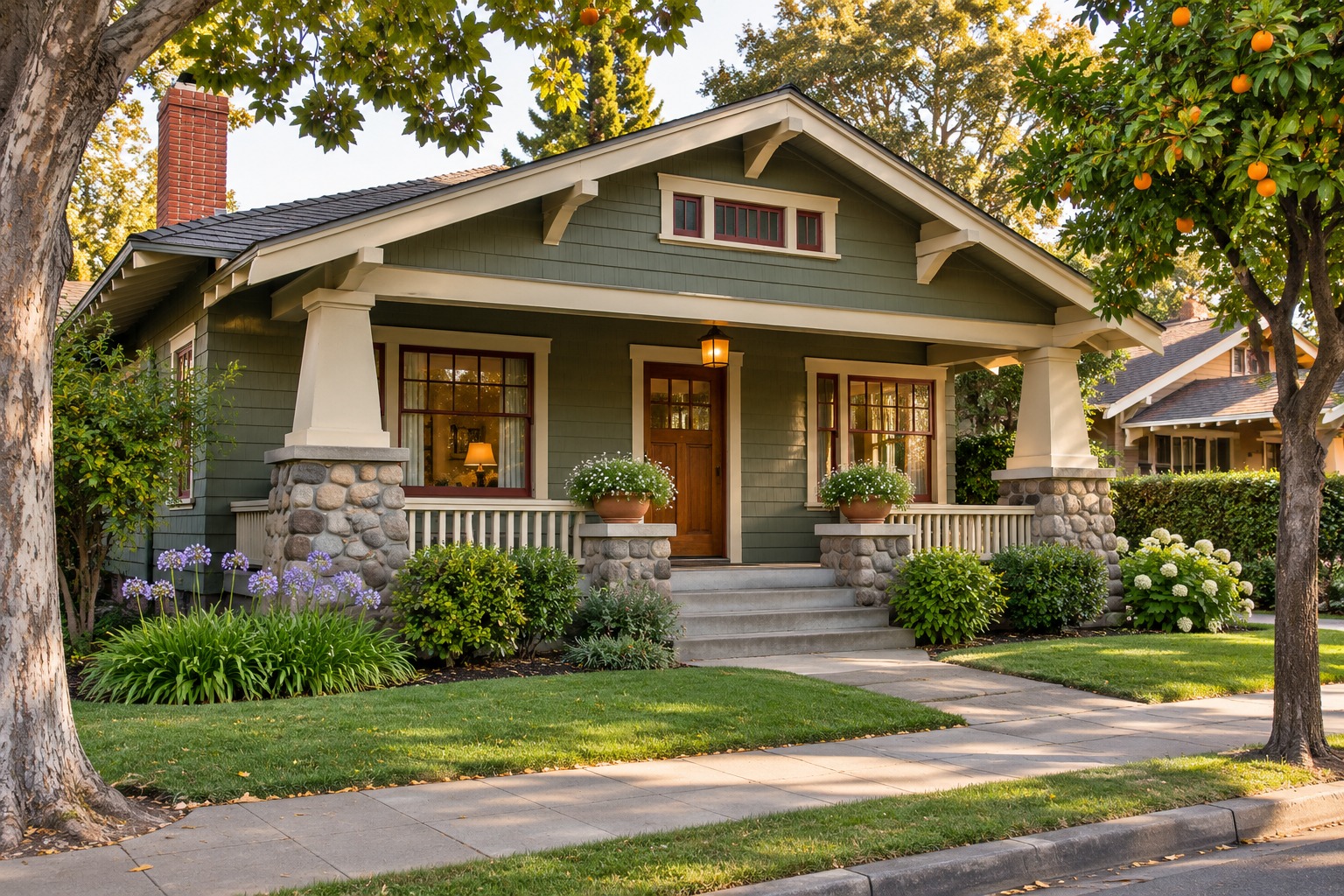
In character neighborhoods like Old Towne Orange, Floral Park, and El Modena, physical inspections regularly uncover root intrusions in aging clay sewer laterals, ungrounded cloth-sheathed wiring, or foundation settling. If a buyer’s sewer camera scan reveals a crushed lateral line, negotiating a $7,500 to $15,000 credit consume much of the initial 17-day contingency period. Review our specialized protocol in selling historic homes in Old Towne Orange.
Custom Appraisals in North Tustin & Villa Park
Custom and semi-custom estates on half-acre or one-acre lots in Villa Park, Orange Park Acres, and North Tustin have fewer directly comparable sales. When contract prices push ahead of trailing comps, appraisal shortfalls of $30,000 to $80,000 can occur, requiring renegotiated purchase prices, cash gap contributions, or secondary appraisal reviews.
Wildfire Insurance Backlogs in Foothill Zones
Properties in Anaheim Hills, Orange Hills, and Cowan Heights frequently do not qualify for admitted carrier homeowner policies. Buyers must secure a high-risk California FAIR Plan policy combined with a Difference in Conditions (DIC) wrap ($6,000 to $14,000 annually). Underwriting queues at the FAIR Plan take 30 to 45 business days to bind, routinely blowing past standard 21-day loan contingency deadlines.
Septic Certifications & Unincorporated County Archives
Parcels in unincorporated North Tustin and Orange Park Acres often use private septic tanks rather than municipal sewer mains. Septic evaluations, tank pumping, and health department operational certifications require dedicated contractors. Furthermore, permit archive searches for unpermitted additions route through Orange County Public Works rather than city hall, which can take several weeks. Read our guide to resolving unpermitted work and title clouds in Orange County.
Probate Court Confirmation Windows
If an estate property is being administered under Limited Authority under the California Independent Administration of Estates Act (IAEA), the sale must proceed to a public court confirmation hearing at the Lamoreaux Justice Center in Orange, adding 45 to 90 days to the closing calendar. Conversely, sales under Full Authority close on standard 30-day schedules once the 15-day Notice of Proposed Action (NOPA) window clears without objection. Study the process in our Orange County probate real estate guide and our trustee and executor administration checklist.
Third-party lease transfers—especially solar systems—frequently drag out beyond standard timelines. If you are selling a property with a solar lease or PPA in Orange County, contacting the solar company prior to opening escrow is critical to prevent closing delays during the buyer's 17-day loan contingency window.
5. Do Contingencies Expire Automatically in California? (Form CR & NBP)
A common legal misconception among sellers is assuming that when Day 17 passes on the calendar, the buyer's contingencies automatically dissolve.
In California, contingencies do NOT expire automatically. Under Paragraph 14 of the standard C.A.R. Residential Purchase Agreement:
- A contingency remains in full legal effect until the buyer executes and delivers a formal written Contingency Removal (C.A.R. Form CR).
- If Day 17 passes and the buyer has not released their contingencies, the seller must serve a formal Notice to Buyer to Perform (C.A.R. Form NBP).
- The Notice to Buyer to Perform gives the buyer 48 hours (or two business days) to either remove their contingencies or cancel the contract.
- Only after the 48-hour NBP period expires without compliance does the seller have the legal right to unilaterally issue a Cancellation of Contract (Form CC) and release the property back to the market.
Need to Coordinate a Smooth Escrow Schedule?
Our brokerage leadership includes Nauz Magdaleno, JD, alongside REALTOR® Diego Magdaleno. We structure closing calendars, track contingency notices, and coordinate with escrow to protect your deposit and closing date.
6. Who Pays What at Closing in Orange County? (Southern California Customs)
Closing fee allocations are governed by regional Southern California real estate customs. While terms can be contractually negotiated in the purchase agreement, standard settlement custom dictates:
- Documentary County Transfer Tax: Paid by the seller at the statutory rate of $1.10 per $1,000 of purchase price ($1,650 on a $1.5M sale).
- Title Insurance Policies: The seller pays for the CLTA Owner’s Policy protecting the buyer's equity title. The buyer pays for the ALTA Lender’s Policy protecting their mortgage lender.
- Escrow Settlement Fees: Split equally 50/50 between buyer and seller. Typical seller charges include a base fee of $250 to $400 plus $2.00 to $3.00 per $1,000 of sale price.
- Disclosures & Association Fees: The seller pays for the Natural Hazard Disclosure (NHD) report ($99 to $135) and any mandatory Homeowners Association (HOA) resale transfer and demand packages ($400 to $1,200).

7. How to Choose the Right Closing Timeline When Comparing Offers
When multiple offers arrive, selecting the shortest calendar timeline without verifying underwriting backing is a common seller misstep. A promised 21-day escrow from an unverified lender regularly results in Day 25 extension requests.
Apply this 5-point offer audit before signing:
- Verify Underwriter Sign-Off: Require a direct conversation between your listing agent and the buyer's mortgage loan officer to confirm whether the approval letter represents a full automated Desktop Underwriter (DU) finding or a surface pre-qualification.
- Examine Appraisal Gap Language: For unique or custom residences, determine whether the buyer included an appraisal gap guarantee pledging to cover valuation shortfalls up to a specified dollar amount.
- Check Insurance Feasibility: If your home sits in a foothill zone, confirm the buyer has already received a preliminary insurance quote rather than discovering an unpayable $10,000 annual premium on Day 14.
- Coordinate with Your Concurrent Purchase: If you are purchasing a replacement home, verify whether your sale needs to be paired with a Seller Purchase of Replacement Property contingency (C.A.R. Form SPRP) or a post-closing rent-back. Read our guide on buying and selling a home at the same time in Orange County.
- Evaluate Net Proceeds: Compare total net proceeds after accounting for buyer broker compensation requests (Form SPBB) and inspection allowances, rather than comparing gross headline offer prices.
8. What to Do Before Listing to Protect Your Closing Date
The most reliable way to ensure a 30-day closing is addressing transaction bottlenecks before your home goes live on the MLS:
- Pre-Listing Sewer Lateral Video Scan ($250): In pre-1980 homes, hydro-jetting or clearing root intrusions before buyer inspections eliminates mid-escrow renegotiations.
- Order HOA Documents Early: Association management companies commonly take 7 to 10 business days to assemble resale certification packages. Ordering documents during your staging week avoids escrow closing holds.
- Audit City Building Permit History: Verify that past kitchen remodels, electrical service upgrades, or ADU additions have signed final inspection cards on file with city or county records.
- Complete Hillside Defensible Space Clearing: In foothill zones, clear brush to 100 feet and clean rain gutters to streamline buyer insurance underwriting.
- Consider a Comprehensive Pre-Listing Home Inspection: Spending $450 to $650 upfront lets you complete minor repairs on your schedule and budget, presenting a turnkey property that commands non-contingent offers.
9. Frequently Asked Questions
How long does escrow typically take in Orange County?
Financed residential escrows in Orange County typically take 30 to 45 calendar days to close, while all-cash transactions can close in 7 to 14 days because they bypass lender underwriting, property appraisals, and mandatory federal disclosure waiting periods.
Can a financed home purchase close in 21 days in California?
Yes, but only if the buyer holds a complete upfront underwritten pre-approval (where credit, income, and assets have been verified by an underwriter before offer submission), the appraisal is ordered on Day 1, and no property defects or insurance delays emerge.
Do buyer contingencies expire automatically on Day 17 in California?
No. Under California Association of REALTORS® purchase contracts, contingencies do not dissolve automatically. Contingencies remain in effect until the buyer executes a written Contingency Removal (Form CR). If Day 17 passes without removal, the seller must issue a 48-hour Notice to Buyer to Perform (Form NBP) before having the right to cancel.
What is the federal TRID 3-day waiting rule?
Under federal TRID lending regulations, a mortgage borrower must receive the final Closing Disclosure (CD) at least three full business days prior to signing loan documents (excluding Sundays and federal holidays). This federal waiting window cannot be waived and often pushes closings into the following week.
Who pays for escrow and title insurance in Orange County?
By established Southern California custom, the seller pays for the CLTA owner's title policy and county transfer tax ($1.10 per $1,000 of purchase price), the buyer pays for their lender's ALTA title policy, and escrow settlement fees are split equally (50/50) between buyer and seller.
Plan Your Orange County Closing With Trusted Specialists
Diego Magdaleno has successfully closed over 460 residential transactions across Central Orange County since 2012. Supported by Nauz Magdaleno, JD, the 1Vision team provides strategic contract structuring, escrow milestone coordination, and fiduciary representation across Orange, Villa Park, North Tustin, and Santa Ana.
Diego Magdaleno · CA DRE# 01952035 | 1Vision Real Estate · CA DRE# 02051216
Headquarters: 625 The City Drive S, Suite 400, Orange, CA 92868
Book an Escrow Strategy Call with Diego
Select a date and time to review your home's closing timeline, analyze purchase offers, and set up a smooth escrow schedule.