
I still get this question from longtime Orange homeowners almost every month: "Doesn't my replacement house have to be worth the same or less, or I lose my tax base?" That was true once. It isn't anymore, and the gap between what people remember and what the law actually says now is worth walking through carefully before you make a move — which is part of the broader senior downsizing and Prop 19 planning in Orange County conversation I have with clients across Old Towne Orange, North Tustin, and Villa Park.
What Did the Old Prop 60/90 Rules Actually Require?
Before Proposition 19, homeowners 55 and older could transfer their property tax base under Propositions 60, 90, and 110 — but only once in a lifetime, only to a replacement home of equal or lesser market value, and only within your own county (Prop 60) or one of a short, limited list of counties that had opted in to accept transfers from elsewhere (Prop 90). Orange County was one of the participating counties, but plenty of destinations weren't.
What Changed When Proposition 19 Took Effect?
Proposition 19, operative April 1, 2021 under Revenue and Taxation Code Section 69.6, replaced that framework statewide. Eligible homeowners can now transfer their base year value up to three times in a lifetime, to a replacement home in any of California's 58 counties, and — this is the part people miss — to a home of greater value than the one they sold.
The Value Threshold Formula That Trips People Up
The "greater value" allowance isn't unlimited, and timing changes the math. If you buy the replacement before your original home sells, the cap is 100% of your original home's sale price. Buy in the first year after the sale, and the cap rises to 105%. Buy in the second year after the sale, and it's 110%. Anything you pay above that adjusted threshold gets added on top of your transferred factored base year value — so you still save, just not on the full purchase price. The sequencing decision itself — whether buying before or after selling makes more sense for your situation — is its own detailed topic; I break that down in deciding whether to sell before or after filing your Prop 19 claim.
Why the "Equal or Lesser Value" Rule Still Confuses Sellers
The old equal-or-lesser-value ceiling is the single most common misconception I run into with clients in their 60s and 70s, because it was true for decades under Prop 60/90 and it's simply the version their friends or their parents' generation remember. Under Prop 19, that ceiling is gone; the 100/105/110% formula replaced it. Getting this backwards is what leads people to underestimate what they can actually afford in a replacement home.
What This Means for Your Move in Central Orange County
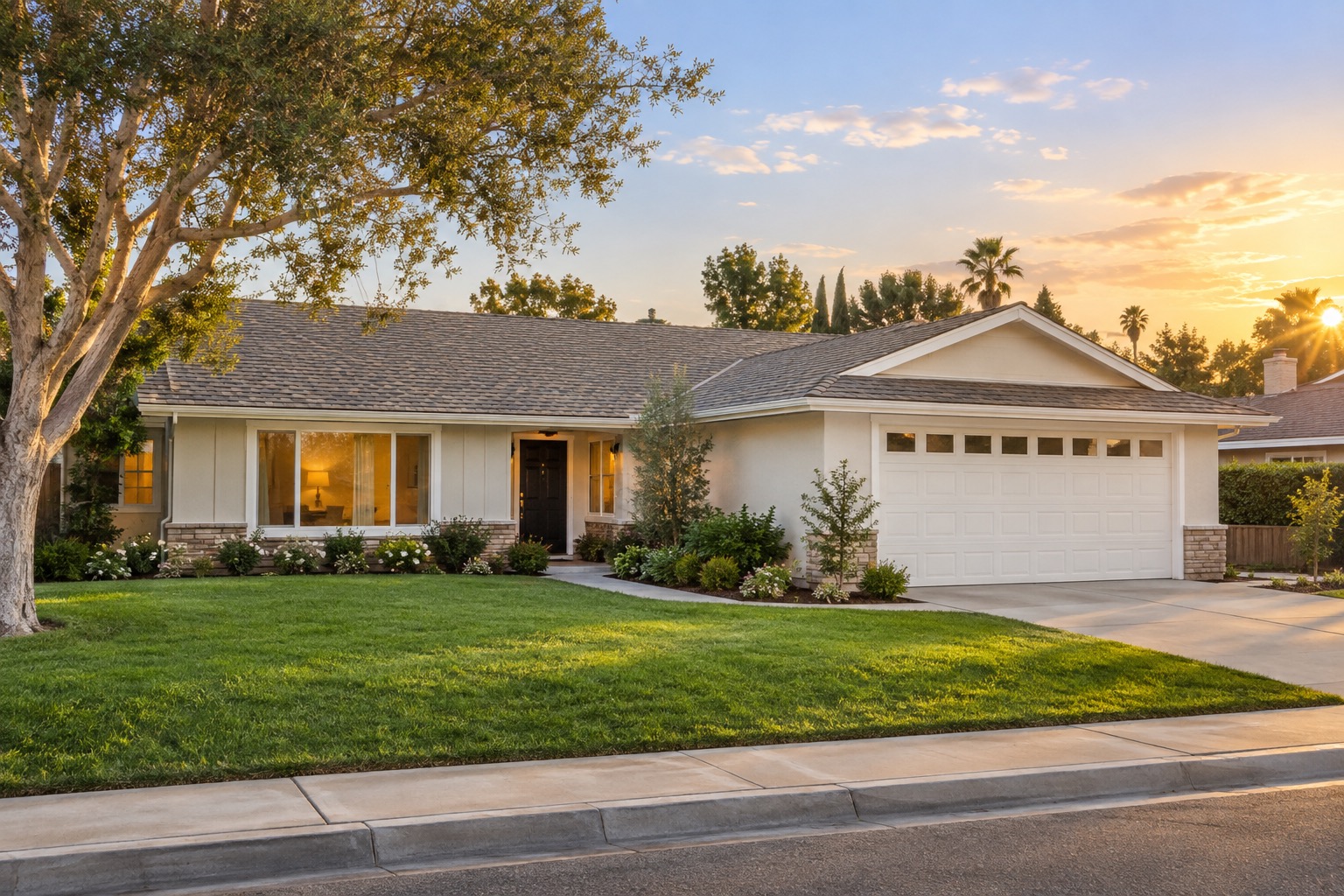
For a lot of my clients, this changes the calculus entirely. A homeowner leaving a larger character home in Old Towne Orange for a single-story property near the Cambridge Street corridor, or moving from a hillside estate near Santiago Canyon Road into something lower-maintenance, no longer has to stay at or under their old sale price to keep their tax base — and they're not boxed into staying in Orange County to do it. Given where the median single-family home price in Orange County sits today, that flexibility matters. If you're still weighing whether downsizing makes sense at all, I go through that decision in whether downsizing is the right move at 55, 65, or 75.
Filing Still Works the Same Way — That Part Didn't Change
Prop 19 changed the frequency, geography, and value cap — it didn't change the filing mechanics. You still can't submit Form BOE-19-B to the Orange County Assessor until both your sale and your purchase have closed and recorded, and the same 3-year filing deadline and homeowners' exemption requirements apply. I walk through that process step by step in transferring your property tax base under Prop 19, and the errors that most often derail a claim in common mistakes that cost Prop 19 sellers money. This is general information, not tax or legal advice — your specific eligibility and savings should be confirmed with the Orange County Assessor's Office or your CPA before you make a decision based on it.
Frequently Asked Questions
What's the biggest difference between the old Prop 60/90 rules and Prop 19 for sellers 55 and older?
Prop 60/90 allowed a one-time transfer to a home of equal or lesser value, generally within your own county or a short list of participating counties. Prop 19 allows up to three transfers in a lifetime, to any California county, and permits a higher-value replacement home under a blended value formula.
How many times can I use the Prop 19 base year value transfer in California?
Up to three times in a lifetime, provided you're 55 or older, severely disabled, or a disaster victim at the time of each transfer, and each transfer meets the two-year purchase window and residency requirements.
Can I buy a more expensive replacement home and still keep my lower tax base under Prop 19?
Yes. The replacement can exceed your original home's sale price. The cap is 100% of that price if you buy before selling, 105% if you buy within the first year after selling, or 110% if you buy within the second year — anything above the applicable cap is added to your transferred base year value rather than disqualifying you.
Real Results
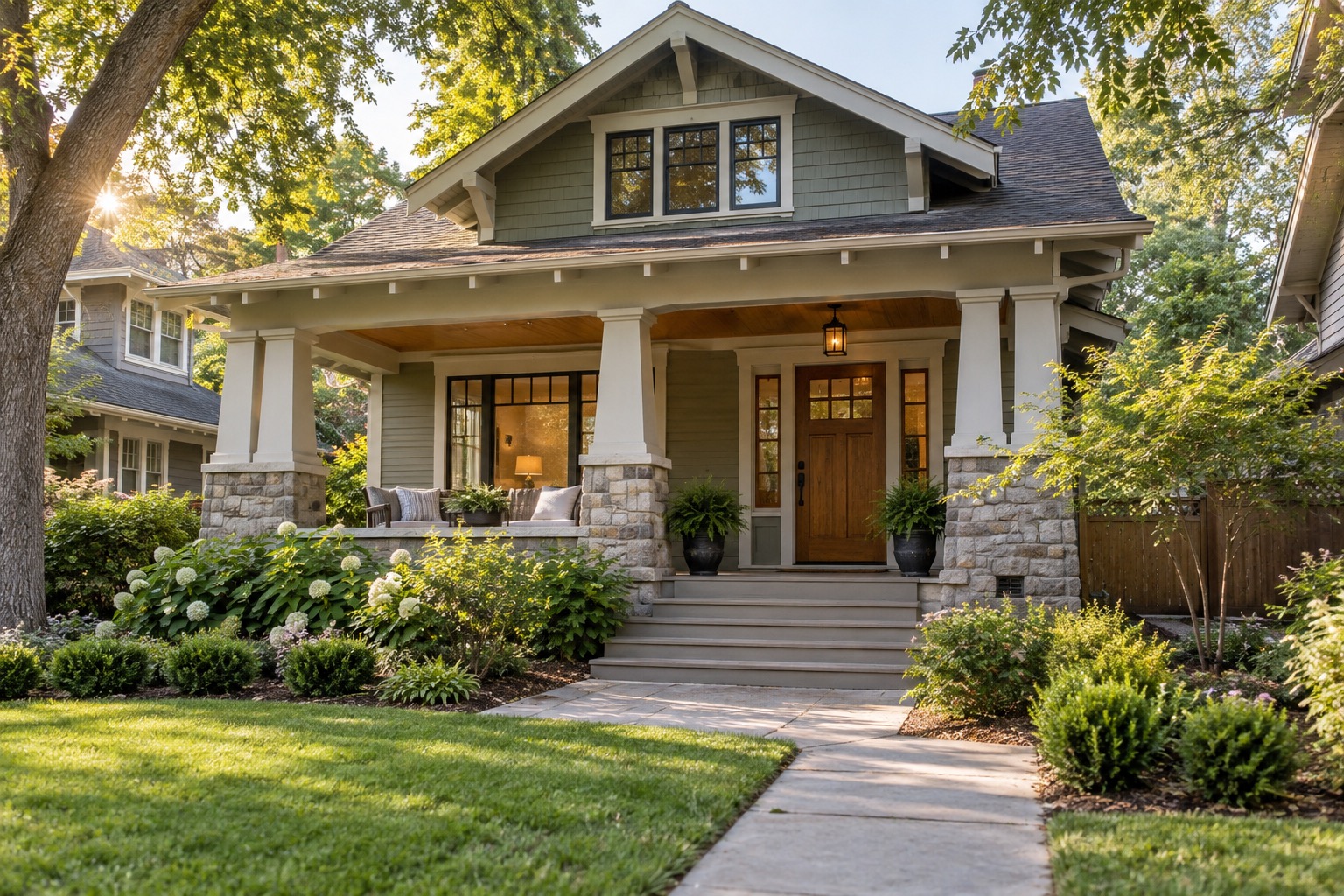
A recent client moving out of a character home near 168 N Center St in Oldtowne Orange assumed, going in, that her replacement purchase had to stay under her sale price — a holdover from the old rules. Once we walked through the current 100/105/110% formula together, she had room to consider homes she'd initially ruled out. That sale closed at $1.32M, and it's a conversation I have often with longtime Orange homeowners who haven't looked at this since before 2021. See a recent Oldtowne Orange sale for more on how that transaction came together.

If you're trying to figure out what these rules actually mean for your specific home and timeline, I'm happy to walk through it with you — no pressure, just a straight answer. Reach out anytime at (714) 681-1222 or diego@1visionre.com.