
I get some version of this question almost every month from a homeowner in their 60s or 70s sitting in their Old Towne Orange living room: "If I sell, don't I just lose my low tax bill?" For years in California, that fear was justified. Since Proposition 19 took effect, it usually isn't — but the rules have a few moving parts worth understanding before you list. I've walked several longtime owners through this, and I want to lay it out plainly here, with more detail in my senior downsizing resource center.
What Is Prop 19, in Plain Terms?
Proposition 19 lets California homeowners age 55 or older sell their primary residence and carry their existing property tax base to a new primary residence, anywhere in the state. You can do this up to three times in your lifetime, and — unlike the old rules — the replacement home no longer has to cost the same or less.
Do You Lose Your Tax Base If You Buy a More Expensive Home?
Not automatically. If your replacement home costs more than what your original home sold for, the Orange County Assessor doesn't reassess the whole property at market value — only the dollar difference between the two prices gets added to your old, transferred base.
Here's what that looks like with real numbers. Say your Old Towne Orange home has a current factored base year value of $250,000 and sells for $1,475,000, roughly today's Orange County median. If you buy a replacement home for $1,200,000 within a year, you're under the value cap entirely, so your new taxable base stays at $250,000 — a tax bill of roughly $2,750 a year instead of $13,200. If instead you buy in Orange Park Acres for $1,750,000, that's $275,000 over your sale price, so your new base becomes $525,000 ($250,000 + $275,000) — still a bill closer to $5,775 than the roughly $19,250 you'd pay if the whole property were reassessed. Either way, you're keeping real money.
Does It Matter Whether You Buy or Sell First?
Yes — it changes how much cushion you get above your original sale price. Buying your replacement home before you close on your current one caps the equal-or-lesser-value comparison at exactly 100% of your original home's price. Wait until the first year after your sale and that cushion grows to 105%; wait into the second year and it's 110%.
For a lot of my clients, this becomes a genuine lifestyle question, not just a math one — do you want the certainty of moving straight into your new place, or the flexibility of a slightly higher spending ceiling? If you are evaluating whether to move into a low-maintenance home or explore senior living communities, our Assisted Living vs. Aging in Place guide breaks down these lifestyle timing options.
What's the Deadline to Buy Your Replacement Home?
You have exactly two years — 730 days — from the sale date of your original home to purchase or complete construction of your replacement primary residence. There's no grace period for a slow escrow or a delayed build; missing it by even a day forfeits the transfer.
If you're weighing whether to sell before or after you've settled on a replacement, it's worth reading through my guide on sequencing your Prop 19 sale and purchase before you put your home on the market.
What Form Do You Actually File?
You'll file Form BOE-19-B, "Claim for Transfer of Base Year Value to Replacement Primary Residence," with the Orange County Assessor once you've closed on your replacement home. For full retroactive relief back to your purchase date, file within three years — miss that window and you still get relief, just starting from the year you actually file, not the year you moved.
The California State Board of Equalization's Prop 19 page is the most current source on filing mechanics if you want to read the statute language directly.
What If You'd Rather Pass the Home to Your Kids Instead?
This is where a lot of homeowners get their wires crossed, because it's a different Prop 19 provision entirely. Transferring your own tax base to a new home while you're alive falls under one set of rules; leaving the home to your children when you pass falls under another. If your child doesn't plan to move into the home as their primary residence, the property gets reassessed to full market value when they inherit it — the tax base doesn't just pass through.
If your child does intend to occupy it, the exclusion is capped at your factored base year value plus $1,044,586 for transfers occurring between February 16, 2025, and February 15, 2027. This figure adjusts every two years, so don't rely on an older number. Review our Prop 19 rules for heirs and Step-Up in Basis guide to understand how estate tax mechanics interact with property reassessments.
Does Where You Live Now Change Any of This?
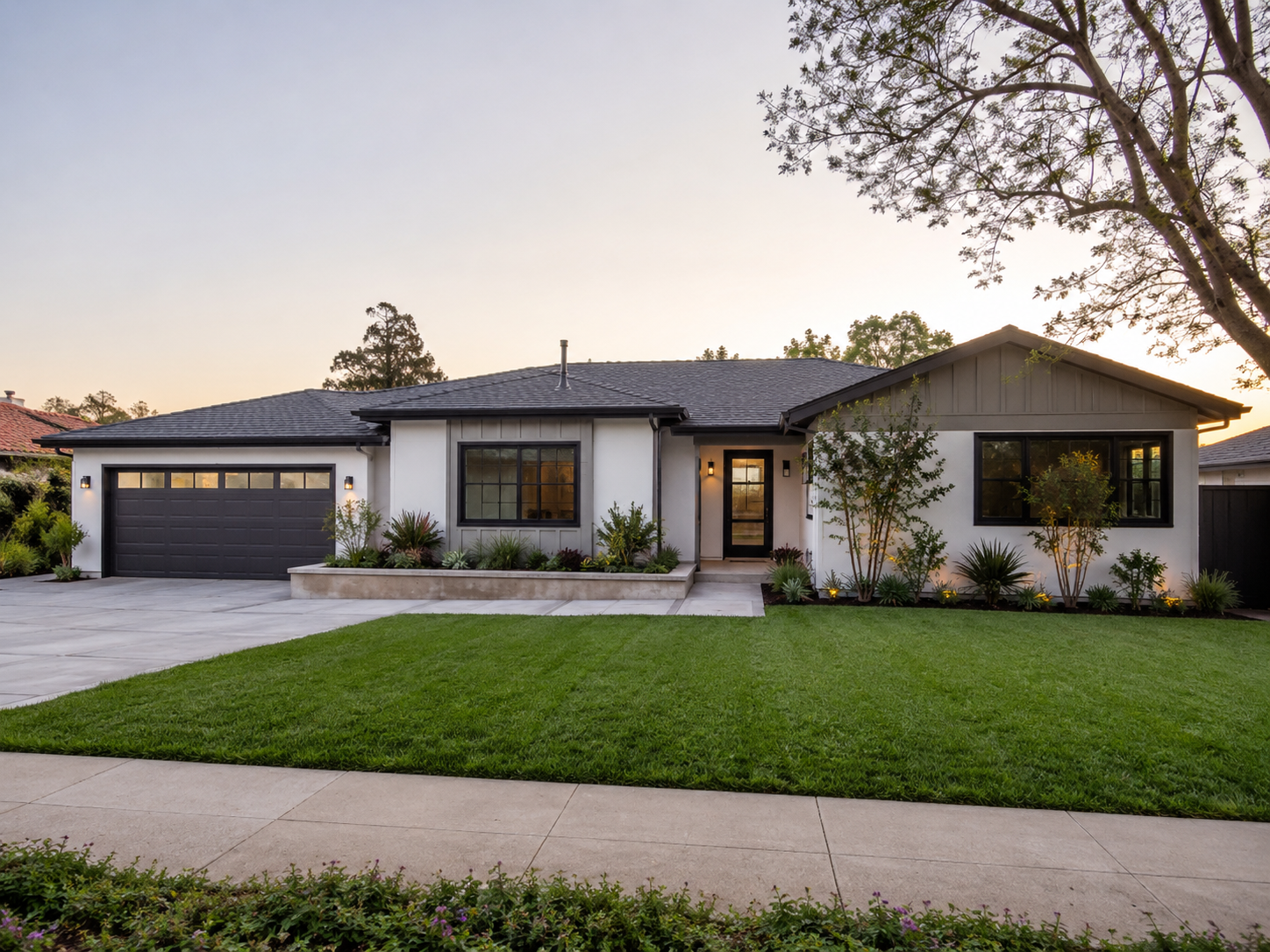
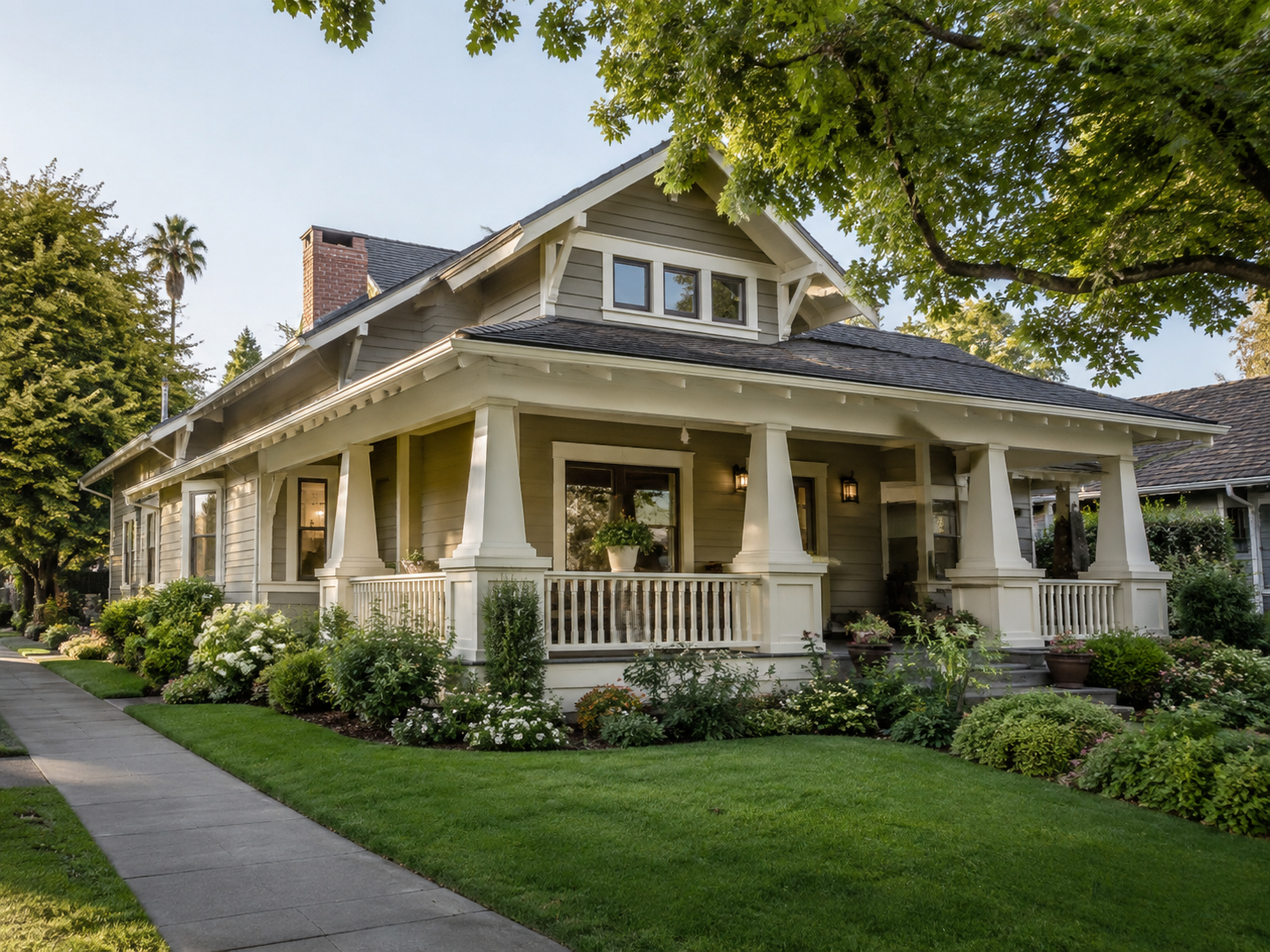
Not the tax math, but it often changes your timeline. Homeowners in the Old Towne Orange Historic District need Design Review Committee sign-off before most exterior presale work, and owners in the Eichler tracts around Fairhaven, Fairhills, and Fairmeadow have their own design standards to clear before listing. Neither changes your Prop 19 eligibility, but both can eat into the 730-day clock if you're not planning around them.
Is a Prop 19 Move Actually Worth It for You?
That depends less on the tax savings and more on whether the move itself makes sense — proximity to family, a single-story floor plan, or less yard to manage. The tax base transfer removes what used to be the single biggest financial objection to downsizing; it doesn't answer whether downsizing is the right call for your life right now.
To see how we helped downsizers unlock their full equity and transition into a turnkey single-story residence, review our Laguna Niguel downsizing case study.
Frequently Asked Questions
What is California Proposition 19, and how does it benefit Orange County homeowners over 55?
Proposition 19 allows California homeowners aged 55 and older to transfer the taxable base year value of their primary residence to a replacement primary residence located anywhere in California, regardless of whether the replacement home costs more or less than the original property. Qualifying homeowners can use this transfer up to three times in their lifetime.
What form do I need to file to transfer my property tax base?
You must complete and submit Form BOE-19-B, "Claim for Transfer of Base Year Value to Replacement Primary Residence for Persons at Least Age 55 Years," to the Orange County Assessor once your replacement home purchase closes.
How long do I have to buy my replacement home under Prop 19?
You must complete the purchase or new construction of your replacement primary residence within two years — 730 days — of the sale date of your original home; there is no extension for construction delays or a slow escrow.
Request Your Prop 19 Tax & Equity Analysis
Planning a downsizing transition? Let's run your exact numbers, verify your tax base eligibility, and structure a seamless buy/sell timeline tailored to your goals.
Request Your Custom Tax Analysis →
Direct 1-on-1 with Diego Magdaleno • 100% Unbiased • No Obligation